




Understanding Industrial Motors: The Backbone of Transportation Equipment
2026-01-13

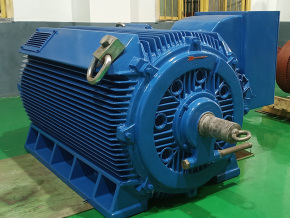
Industrial motors play a pivotal role in the transportation industry, serving as the driving force behind numerous types of equipment and components. These motors are designed to operate in demanding environments and are essential for ensuring that vehicles and systems run smoothly, reliably, and efficiently. Understanding the function and importance of industrial motors can help stakeholders in the transportation sector make informed decisions about their equipment and operations.
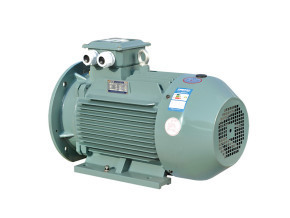
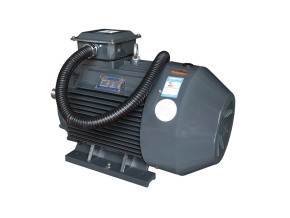
At their core, industrial motors convert electrical energy into mechanical energy, enabling machines to perform work. In the context of transportation, these motors can be found in various applications, from electric vehicles to conveyor systems and robotics. Their versatility allows them to be adapted for use in a wide range of environments, making them indispensable for any transportation operation that relies on automation or powered movement.
One of the key advantages of industrial motors is their ability to provide consistent power and torque. This is crucial in transportation applications where delays or malfunctions can lead to significant issues, including safety risks and financial losses. By utilizing high-quality industrial motors, companies can enhance the performance of their equipment, thus improving overall operational efficiency.
Moreover, industrial motors are designed with durability in mind. They are built to withstand harsh conditions, such as extreme temperatures, vibrations, and exposure to dirt and moisture. This resilience ensures that they can operate reliably over extended periods, reducing the need for frequent maintenance or replacements. For transportation services, this translates into lower operational costs and increased uptime, which are critical factors in maintaining competitiveness in the market.
Energy efficiency is another critical aspect of modern industrial motors. As industries strive to reduce their carbon footprint and comply with environmental regulations, selecting energy-efficient motors becomes increasingly important. These motors consume less electricity while delivering the same level of performance, which can significantly decrease energy costs and reduce greenhouse gas emissions. In the transportation sector, where energy consumption is a major concern, adopting energy-efficient industrial motors can lead to substantial savings and a more sustainable operation.
In summary, industrial motors are the backbone of various transportation equipment and components, offering essential functionalities such as power, durability, and efficiency. By understanding their significance, businesses in the transportation industry can make better choices regarding their equipment, ultimately leading to enhanced performance and operational excellence. Whether for electric vehicles, automated systems, or other transportation-related applications, the right industrial motor can make all the difference in achieving success and reliability in an increasingly competitive landscape.
At their core, industrial motors convert electrical energy into mechanical energy, enabling machines to perform work. In the context of transportation, these motors can be found in various applications, from electric vehicles to conveyor systems and robotics. Their versatility allows them to be adapted for use in a wide range of environments, making them indispensable for any transportation operation that relies on automation or powered movement.
One of the key advantages of industrial motors is their ability to provide consistent power and torque. This is crucial in transportation applications where delays or malfunctions can lead to significant issues, including safety risks and financial losses. By utilizing high-quality industrial motors, companies can enhance the performance of their equipment, thus improving overall operational efficiency.
Moreover, industrial motors are designed with durability in mind. They are built to withstand harsh conditions, such as extreme temperatures, vibrations, and exposure to dirt and moisture. This resilience ensures that they can operate reliably over extended periods, reducing the need for frequent maintenance or replacements. For transportation services, this translates into lower operational costs and increased uptime, which are critical factors in maintaining competitiveness in the market.
Energy efficiency is another critical aspect of modern industrial motors. As industries strive to reduce their carbon footprint and comply with environmental regulations, selecting energy-efficient motors becomes increasingly important. These motors consume less electricity while delivering the same level of performance, which can significantly decrease energy costs and reduce greenhouse gas emissions. In the transportation sector, where energy consumption is a major concern, adopting energy-efficient industrial motors can lead to substantial savings and a more sustainable operation.
In summary, industrial motors are the backbone of various transportation equipment and components, offering essential functionalities such as power, durability, and efficiency. By understanding their significance, businesses in the transportation industry can make better choices regarding their equipment, ultimately leading to enhanced performance and operational excellence. Whether for electric vehicles, automated systems, or other transportation-related applications, the right industrial motor can make all the difference in achieving success and reliability in an increasingly competitive landscape.
recommend News

Wu Dejun: General Manager
Hu Pengbin: Marketing Director
Production site:
No.28, Huaiying Road, Gaoqiao Town, Changsha City, Hunan Province
Zip Code: 410145
Telephone:0731-86156236
ZhenHua Packing Machinery
Online consultation
Leave a message quickly and our experts will contact you
ZhenHua Packing Machinery
Business License

SAF Coolest v1.3.1.2 设置面板 GAGSD-ZGYF-JESSE-ZEA
无数据提示
Sorry, the current column is being updated, please look forward to it!
You can view other columns or returnHome Page