




Unlocking the Benefits of High-Efficiency Motors in Transportation
2026-01-12

Unlocking the Benefits of High-Efficiency Motors in Transportation
Table of Contents
- 1. Introduction to High-Efficiency Motors
- 2. What Are High-Efficiency Motors?
- 3. Key Benefits of High-Efficiency Motors in Transportation
- 3.1 Energy Savings and Reduced Operational Costs
- 3.2 Environmental Impact and Sustainability
- 3.3 Performance Enhancements in Transportation Applications
- 4. Applications of High-Efficiency Motors in Transportation
- 4.1 Electric Vehicles (EVs)
- 4.2 Trains and Rail Systems
- 4.3 Aerospace and Aviation
- 4.4 Marine Transportation
- 5. Future Trends in High-Efficiency Motors
- 6. Challenges in Implementing High-Efficiency Motors
- 7. Frequently Asked Questions
- 8. Conclusion
1. Introduction to High-Efficiency Motors
As industries worldwide increasingly focus on sustainability and energy efficiency, the role of **high-efficiency motors** in transportation has garnered considerable attention. These motors offer substantial improvements over traditional electric motors, promising reduced energy consumption, lower greenhouse gas emissions, and enhanced overall performance. In this article, we delve deeply into the multifaceted benefits of high-efficiency motors, their applications across various transportation modes, and the future potential they hold for the industry.
2. What Are High-Efficiency Motors?
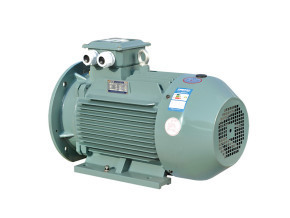
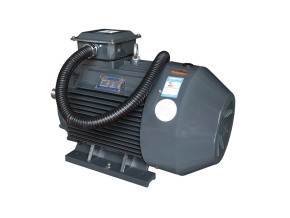
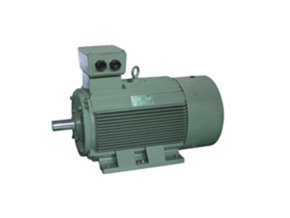
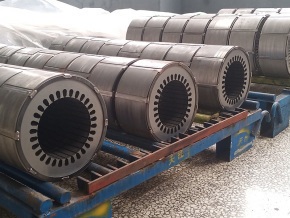
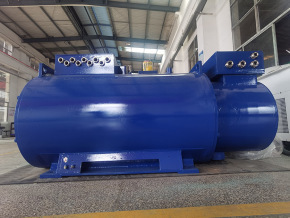
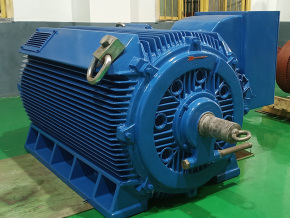
High-efficiency motors are electrical devices designed to minimize energy loss during operation. Unlike standard motors, these advanced systems feature improved design, better materials, and optimized performance characteristics. They often comply with strict energy efficiency standards, such as the International Electrotechnical Commission (IEC) standards or the National Electrical Manufacturers Association (NEMA) guidelines.
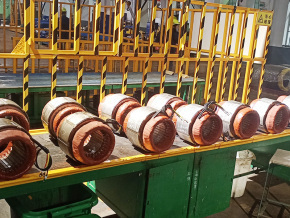
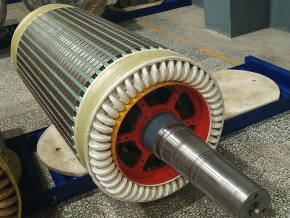
By incorporating features like superior winding designs, higher-quality iron cores, and more effective cooling systems, high-efficiency motors can achieve efficiency ratings exceeding 90%. This remarkable efficiency translates directly into reduced operational costs and decreased environmental impact, making them ideal for transportation applications.
3. Key Benefits of High-Efficiency Motors in Transportation
3.1 Energy Savings and Reduced Operational Costs
One of the most significant advantages of high-efficiency motors in transportation is **energy savings**. These motors consume less electricity compared to their traditional counterparts, resulting in substantial reductions in power bills. For example, a high-efficiency motor can save up to 10% or more in energy costs annually.
In transportation, where fleets often operate continuously, these savings can accumulate quickly. Consider a public transportation system that runs buses powered by high-efficiency motors. The energy savings translate into lower fuel costs, directly benefiting the operating budget and enabling reinvestment into additional services or infrastructure improvements.
3.2 Environmental Impact and Sustainability
The utilization of high-efficiency motors contributes significantly to **sustainability efforts** in the transportation sector. As industries globally work toward reducing carbon footprints, these motors play a pivotal role in minimizing greenhouse gas emissions.
High-efficiency motors operate more effectively, leading to less energy waste and reduced demand on power plants, which in turn lowers CO2 emissions. For example, transitioning from conventional motors to high-efficiency alternatives in a fleet of electric vehicles can significantly decrease the overall environmental impact, aligning with global initiatives aimed at combatting climate change.
3.3 Performance Enhancements in Transportation Applications
In addition to energy savings, high-efficiency motors enhance overall **performance** in various transportation applications. These motors can provide greater torque and better responsiveness, allowing vehicles to accelerate more efficiently.
For instance, in electric vehicles, the integration of high-efficiency motors allows for improved range and faster charging capabilities, making EVs more appealing to consumers. The precise control offered by these motors also leads to smoother operation, enhancing the overall user experience in public transport systems.
4. Applications of High-Efficiency Motors in Transportation
High-efficiency motors find widespread applications across various modes of transportation. Their versatility and performance characteristics make them suitable for numerous settings.
4.1 Electric Vehicles (EVs)
Electric vehicles are one of the most prominent applications for high-efficiency motors. With the global shift toward electrification, these motors enable EVs to operate sustainably, improving energy usage and enhancing driving range.
The development of more powerful and efficient motors has also allowed manufacturers to create lighter and more compact designs, further increasing the appeal of electric vehicles to consumers.
4.2 Trains and Rail Systems
High-efficiency motors are essential in modern trains and rail systems. The use of these motors can significantly reduce energy costs associated with long-distance travel.
Additionally, many rail systems are now incorporating regenerative braking technologies that further enhance energy savings, allowing trains to harness and reuse energy during braking.
4.3 Aerospace and Aviation
In the aerospace sector, high-efficiency motors contribute to the development of **more fuel-efficient aircraft**. By incorporating these motors, manufacturers can reduce the overall weight of aircraft systems, leading to lower fuel consumption and less environmental impact.
The move towards high-efficiency electric motors is also paving the way for innovations in urban air mobility and electric vertical take-off and landing (eVTOL) aircraft, which have the potential to revolutionize transportation in urban areas.
4.4 Marine Transportation
Marine transportation is another industry reaping the benefits of high-efficiency motors. These motors are increasingly used in various marine vessels, improving propulsion efficiency and reducing fuel consumption.
As regulations around emissions tighten, the marine industry is looking to high-efficiency motors to help comply with environmental standards while maintaining performance and reliability.
5. Future Trends in High-Efficiency Motors
As technology progresses, the future of high-efficiency motors in transportation looks promising. We can expect advancements in materials science, such as the use of lightweight composites and advanced magnets, leading to even greater efficiency.
Additionally, the integration of smart technologies and IoT capabilities into high-efficiency motors will enable predictive maintenance, optimizing performance and reducing downtime. These advancements will further strengthen the case for adopting high-efficiency motors across the transportation sector.
6. Challenges in Implementing High-Efficiency Motors
While the benefits of high-efficiency motors are substantial, several challenges exist in their widespread adoption. Initial investment costs can be higher than standard motors, potentially deterring some organizations from making the switch.
Moreover, existing infrastructure may require upgrades to accommodate the enhanced performance characteristics of high-efficiency motors. However, the long-term savings and environmental benefits often outweigh these initial hurdles.
7. Frequently Asked Questions
Q1: What is the efficiency rating of high-efficiency motors?
A1: High-efficiency motors typically achieve efficiency ratings of 90% or higher, compared to standard motors, which may operate at 80-85% efficiency.
Q2: How do high-efficiency motors contribute to sustainability?
A2: By consuming less energy and reducing greenhouse gas emissions, high-efficiency motors play a crucial role in sustainable transportation practices.
Q3: What applications benefit most from high-efficiency motors?
A3: High-efficiency motors are highly beneficial in electric vehicles, trains, aerospace applications, and marine transportation.
Q4: Are high-efficiency motors more expensive to purchase?
A4: While the initial purchase price may be higher, the long-term energy savings and reduced operational costs often justify the investment.
Q5: What future trends can we expect in high-efficiency motor technology?
A5: Future trends include advancements in materials, integration of smart technologies, and the development of lighter and more compact motor designs.
8. Conclusion
High-efficiency motors represent a transformative force in the transportation industry, offering numerous benefits that extend beyond energy savings. As organizations adopt these advanced technologies, they not only improve operational efficiency but also contribute to a more sustainable future. The versatility of high-efficiency motors across various transportation applications highlights their importance in meeting both current and future demands. Embracing these innovations will undoubtedly position the transportation sector as a leader in sustainability and efficiency, paving the way for a greener tomorrow.
recommend News

Wu Dejun: General Manager
Hu Pengbin: Marketing Director
Production site:
No.28, Huaiying Road, Gaoqiao Town, Changsha City, Hunan Province
Zip Code: 410145
Telephone:0731-86156236
ZhenHua Packing Machinery
Online consultation
Leave a message quickly and our experts will contact you
ZhenHua Packing Machinery
Business License

SAF Coolest v1.3.1.2 设置面板 GAGSD-ZGYF-JESSE-ZEA
无数据提示
Sorry, the current column is being updated, please look forward to it!
You can view other columns or returnHome Page