


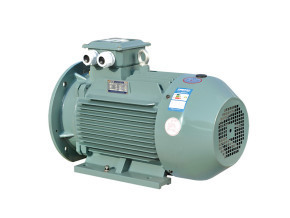

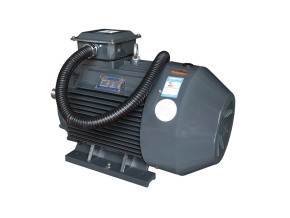

Medium-Voltage DC Motors vs. Traditional Motors: Which is Better for Transport?
2026-09-10

Medium-Voltage DC Motors vs. Traditional Motors: Which is Better for Transport?
Table of Contents
- 1. Introduction
- 2. Understanding Motors
- 3. Performance Analysis
- 4. Applications in Transportation
- 5. Cost Considerations
- 6. Environmental Impact
- 7. Future Trends in Motor Technology
- 8. Conclusion
- 9. FAQs
1. Introduction
In the rapidly evolving world of transportation, selecting the right motor is crucial for efficiency, sustainability, and performance. This article delves into the comparison between **Medium-Voltage DC Motors** and **Traditional Motors**. We aim to determine which option is more suitable for various transportation applications, considering factors such as efficiency, cost, and application-specific needs.
2. Understanding Motors
To make an informed decision, it is vital to understand the two primary types of motors—**Traditional Motors** and **Medium-Voltage DC Motors**.
2.1 Traditional Motors
Traditional motors, primarily **AC (Alternating Current) and DC (Direct Current) motors**, have been used in various applications for decades. These motors rely on electromagnetic principles to convert electrical energy into mechanical energy. They are widely recognized for their:
- **Simplicity**: Easy to design and maintain.
- **Familiarity**: Extensive knowledge and understanding in the engineering community.
- **Robustness**: Proven reliability in many applications.
2.2 Medium-Voltage DC Motors
**Medium-Voltage DC Motors** represent a newer technology that operates at voltages ranging from 1 kV to 10 kV. They offer distinct advantages, especially in high-power applications. Key characteristics include:
- **High Efficiency**: Reduced energy losses in operation.
- **Compact Design**: Small footprint suitable for limited space applications.
- **Enhanced Control**: Better torque and speed control capabilities.
3. Performance Analysis
Performance is a critical factor when selecting a motor for transportation. This section compares the efficiency, torque, and speed characteristics of Medium-Voltage DC Motors and Traditional Motors.
3.1 Efficiency Comparisons
Efficiency varies widely between the two types of motors. Medium-Voltage DC Motors frequently demonstrate:
- **Higher Efficiency Ratings**: They can exceed 95% efficiency under optimal conditions, translating into lower energy costs and reduced emissions.
- **Less Heat Generation**: This characteristic leads to lower cooling requirements and enhances overall operational reliability.
In contrast, Traditional Motors may have efficiency ratings between 70% to 90%, depending on their design and operating conditions.
3.2 Torque and Speed Characteristics
When it comes to torque and speed, Medium-Voltage DC Motors excel due to their:
- **Superior Torque Control**: These motors can provide high starting torque, ideal for applications requiring quick acceleration.
- **Variable Speed Operation**: They are designed to maintain performance over a wide range of speeds.
Traditional Motors, while effective, often struggle with maintaining torque at varying speeds, making them less adaptable in dynamic transportation environments.
4. Applications in Transportation
The choice between Medium-Voltage DC Motors and Traditional Motors significantly depends on the specific application within the transportation sector.
4.1 Heavy Transport Applications
In heavy transport applications, such as freight trains and large cargo ships, Medium-Voltage DC Motors shine due to their:
- **High Power Output**: They can handle substantial loads without performance degradation.
- **Efficiency Over Long Distances**: Their design allows for reduced energy consumption over extended journeys, leading to significant cost savings.
4.2 Light-Duty Vehicles
Traditional Motors are still prominent in light-duty vehicles, such as passenger cars and smaller delivery vehicles, primarily due to:
- **Established Manufacturing Processes**: Existing infrastructure supports the production and maintenance of traditional motors.
- **Lower Initial Costs**: The upfront investment for traditional motors is typically lower, making them suitable for budget-conscious applications.
However, as technology evolves, Medium-Voltage DC Motors are gaining traction in this domain as well, particularly with the rise of electric and hybrid vehicles.
5. Cost Considerations
When evaluating motors, understanding the total cost of ownership is imperative. This includes:
- **Initial Purchase Cost**: Traditional Motors generally have a lower upfront cost.
- **Operational Costs**: Medium-Voltage DC Motors, while pricier initially, can lead to significant savings over time due to their efficiency.
- **Maintenance Costs**: Traditional motors may require more frequent maintenance, adding to long-term operational expenses.
It is essential to weigh these factors according to specific operational needs and budgets.
6. Environmental Impact
Sustainability and environmental considerations are becoming increasingly vital in the transportation sector.
- **Medium-Voltage DC Motors** offer a greener alternative, as they tend to have lower emissions and reduced carbon footprints during operation.
- **Traditional Motors**, particularly those that rely on fossil fuels, contribute significantly to environmental pollution.
Choosing the right motor can play a crucial role in a company’s environmental strategy and compliance with regulatory standards.
7. Future Trends in Motor Technology
As technology advances, several trends are shaping the future of motors in transportation:
- **Integration of Smart Technologies**: Enhanced control systems using AI and IoT technology for improved efficiency and performance monitoring.
- **Sustainability Initiatives**: A growing emphasis on eco-friendly motor designs and materials.
- **Hybrid Solutions**: The combination of Traditional and Medium-Voltage DC Motors for optimized performance in various applications.
These trends indicate a shifting landscape where the advantages of Medium-Voltage DC Motors may become even more pronounced.
8. Conclusion
In the debate between **Medium-Voltage DC Motors** and **Traditional Motors**, the choice largely depends on the specific application and operational requirements. While Traditional Motors have long been a staple in the transportation industry, Medium-Voltage DC Motors present compelling advantages, particularly in terms of efficiency, control, and environmental impact.
As transportation continues to evolve, investing in the right motor technology will be crucial for organizations aiming to improve performance and sustainability. Evaluating both options against performance metrics, cost, and future trends will empower stakeholders to make informed decisions that align with their strategic goals.
9. FAQs
What is the primary advantage of Medium-Voltage DC Motors?
Medium-Voltage DC Motors offer high efficiency, superior torque control, and reduced energy consumption, making them ideal for heavy transport applications.
Are Traditional Motors still relevant in transportation?
Yes, Traditional Motors remain relevant, especially in light-duty vehicles and where cost considerations are crucial.
How do maintenance costs compare between the two motor types?
Traditional Motors may require more frequent maintenance, leading to higher long-term operational costs compared to Medium-Voltage DC Motors.
Will the trend towards electric vehicles impact motor selection?
Yes, the rise of electric vehicles is driving interest and investment in Medium-Voltage DC Motors due to their efficiency and performance capabilities.
What impact do motors have on environmental sustainability?
Choosing efficient motors reduces emissions and energy consumption, contributing positively to environmental sustainability efforts in the transportation sector.
Next page:
recommend News

Wu Dejun: General Manager
Hu Pengbin: Marketing Director
Production site:
No.28, Huaiying Road, Gaoqiao Town, Changsha City, Hunan Province
Zip Code: 410145
Telephone:0731-86156236
ZhenHua Packing Machinery
Online consultation
Leave a message quickly and our experts will contact you
ZhenHua Packing Machinery
Business License

SAF Coolest v1.3.1.2 设置面板 GAGSD-ZGYF-JESSE-ZEA
无数据提示
Sorry, the current column is being updated, please look forward to it!
You can view other columns or returnHome Page