




Why Rail Transit Motors Are Critical for Sustainable Urban Mobility
2026-04-10

Why Rail Transit Motors Are Critical for Sustainable Urban Mobility
Table of Contents
- 1. Introduction to Rail Transit Motors
- 2. The Importance of Sustainable Urban Mobility
- 3. Overview of Rail Transit Systems
- 4. Types of Rail Transit Motors
- 5. Benefits of Rail Transit Motors for Urban Mobility
- 6. Challenges in Implementing Rail Transit Motors
- 7. The Future of Rail Transit Motors in Urban Mobility
- 8. Conclusion
- 9. Frequently Asked Questions (FAQs)
1. Introduction to Rail Transit Motors
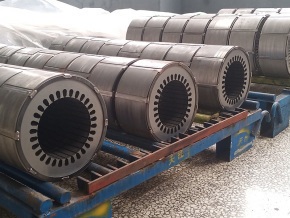
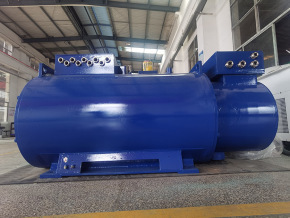
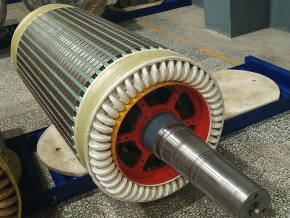
As cities expand and the demand for efficient transportation systems grows, **rail transit motors** have emerged as a pivotal element in developing sustainable urban mobility. These motors are not just components; they are the beating heart of rail systems, ensuring the smooth and reliable operation of trains. With their ability to transport large numbers of passengers quickly and efficiently, rail transit motors significantly reduce the reliance on fossil fuels and contribute to a greener urban environment.
2. The Importance of Sustainable Urban Mobility
Sustainable urban mobility is essential for addressing the challenges of urbanization. As populations swell in metropolitan areas, the need for effective and environmentally friendly transportation solutions becomes critical. Sustainable urban mobility focuses on minimizing environmental impact, enhancing quality of life, and facilitating economic growth. Rail transit systems, powered by advanced **rail transit motors**, are key players in this transition, providing an efficient alternative to road traffic.
3. Overview of Rail Transit Systems
Rail transit systems encompass various modes of transportation, including commuter trains, subways, and light rail. These systems are designed to accommodate high passenger volumes and offer reliable service over extensive networks. The efficiency of these systems is heavily dependent on the performance of their motors. A well-designed rail transit motor not only enhances reliability but also contributes to the overall effectiveness of the transport network.
4. Types of Rail Transit Motors
Rail transit motors come in several types, each with unique characteristics and applications. Understanding these types can help stakeholders choose the right motor for their specific urban mobility needs.
4.1 DC Motors
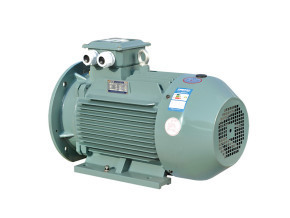
DC motors are commonly used in rail systems due to their simplicity and efficiency in converting electrical energy into mechanical power. They provide excellent torque at low speeds, making them ideal for applications that require quick acceleration and precise control.
4.2 AC Motors
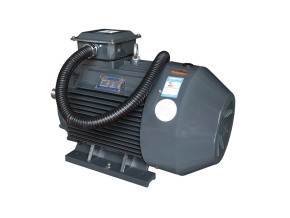
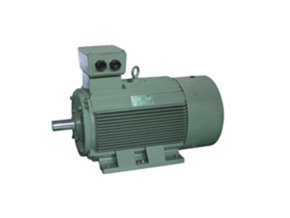
AC motors are increasingly favored for their durability and ability to operate at high speeds. They are more efficient than DC motors, especially in applications requiring continuous operation. The robustness of AC motors makes them suitable for heavy-duty rail transit applications.
4.3 Gearless Motors
Gearless motors eliminate the need for mechanical gear systems, which can introduce friction and maintenance challenges. These motors offer higher efficiency and reliability, making them a popular choice for modern rail systems aiming for sustainability.
5. Benefits of Rail Transit Motors for Urban Mobility
The integration of advanced rail transit motors into urban transportation systems provides numerous benefits, influencing environmental, economic, and social factors.
5.1 Environmental Benefits
Rail transit motors play a crucial role in reducing greenhouse gas emissions. By enabling efficient train operations powered by electricity—often sourced from renewable energy—these motors help minimize the carbon footprint associated with urban transport. The transition from fossil fuel-based vehicles to electric trains significantly curtails air pollution, contributing to cleaner city environments.
5.2 Economic Benefits
Investing in rail transit motors creates economic opportunities, from manufacturing jobs to maintenance and operational roles. Efficient rail systems reduce congestion, which can lead to significant savings in fuel costs and travel time for commuters. Furthermore, enhanced public transport systems can stimulate local economies by improving accessibility to businesses and services.
5.3 Social Benefits
Sustainable urban mobility facilitated by rail transit motors helps ensure equitable access to transportation. By providing reliable and affordable transit options, cities can address social disparities, allowing all residents to connect with essential services such as healthcare, education, and employment. Moreover, improved rail transit systems can contribute to reduced traffic congestion, leading to a better quality of urban life.
6. Challenges in Implementing Rail Transit Motors
Despite the clear advantages of rail transit motors, several challenges exist in their implementation. These include high initial costs, the need for extensive infrastructure investment, and the integration of modern technology into existing systems. Addressing these challenges requires a collaborative approach between government bodies, private sector stakeholders, and the community.
Potential solutions include public-private partnerships that can spread costs and risks, as well as innovative funding mechanisms that prioritize sustainability. Furthermore, investing in research and development can lead to the creation of more efficient and cost-effective rail transit motors.
7. The Future of Rail Transit Motors in Urban Mobility
The future of rail transit motors looks promising, with advancements in technology paving the way for smarter, more efficient systems. Innovations such as battery-powered trains and improved energy recovery systems are set to redefine urban rail transport. As cities continue to evolve, the role of rail transit motors will become increasingly vital in achieving sustainability goals and enhancing urban mobility.
Incorporating artificial intelligence and IoT technologies into rail systems can optimize operations, improve maintenance schedules, and enhance the overall passenger experience. With these advancements, rail transit motors will not only contribute to sustainable urban mobility but will also transform the way cities think about transportation.
8. Conclusion
In conclusion, rail transit motors serve as the backbone of sustainable urban mobility, facilitating efficient, environmentally friendly transportation. Their various types, from DC to gearless motors, offer unique advantages, contributing to the overall effectiveness of rail systems. As cities face the challenges of increasing populations and environmental concerns, the importance of these motors cannot be overstated. By investing in advanced rail transit technology and addressing implementation challenges, we can create a more sustainable future for urban mobility.
9. Frequently Asked Questions (FAQs)
1. What are rail transit motors?
Rail transit motors are electric motors specifically designed to power trains, ensuring efficient and reliable operation in urban transit systems.
2. How do rail transit motors contribute to sustainability?
These motors reduce reliance on fossil fuels, lower emissions, and enhance energy efficiency in public transportation, contributing to cleaner urban environments.
3. What types of rail transit motors are available?
The main types include DC motors, AC motors, and gearless motors, each offering unique benefits depending on the application.
4. What challenges are associated with implementing rail transit motors?
Challenges include high initial costs, the need for infrastructure upgrades, and integrating new technologies into existing systems.
5. How can cities improve their rail transit systems?
Cities can improve rail transit by investing in advanced motor technologies, fostering public-private partnerships, and prioritizing sustainability in their urban planning initiatives.
recommend News

Wu Dejun: General Manager
Hu Pengbin: Marketing Director
Production site:
No.28, Huaiying Road, Gaoqiao Town, Changsha City, Hunan Province
Zip Code: 410145
Telephone:0731-86156236
ZhenHua Packing Machinery
Online consultation
Leave a message quickly and our experts will contact you
ZhenHua Packing Machinery
Business License

SAF Coolest v1.3.1.2 设置面板 GAGSD-ZGYF-JESSE-ZEA
无数据提示
Sorry, the current column is being updated, please look forward to it!
You can view other columns or returnHome Page