




Variable Frequency Motor: Driving Industrial Efficiency with Precision, Energy Savings, and Reliable Performance
2026-06-10

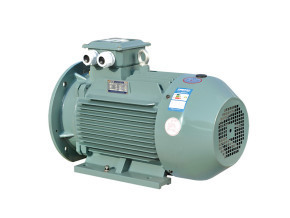
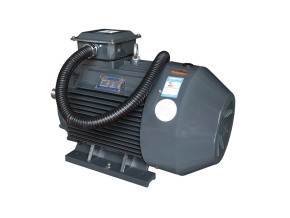
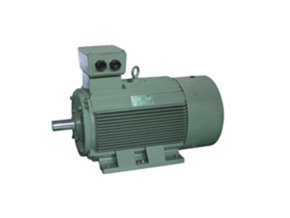
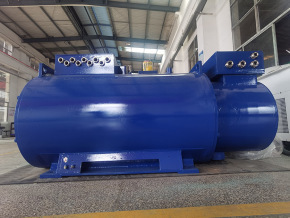
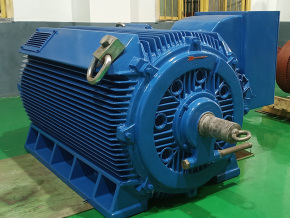
Variable frequency motor technology has become an essential solution for modern industrial applications where energy efficiency, precise speed control, and reliable operation are critical. As industries continue to pursue smarter manufacturing processes and lower operating costs, the demand for advanced motor systems capable of adapting to changing workload requirements has increased significantly. Designed to work seamlessly with variable frequency drives, a Variable frequency motor delivers optimized performance across a wide range of operating conditions, making it an ideal choice for manufacturing plants, automation systems, pumps, fans, compressors, conveyors, and numerous other industrial applications.
In traditional motor systems, equipment often operates at a fixed speed regardless of actual production requirements. This can result in excessive energy consumption, mechanical wear, and reduced operational efficiency. A Variable frequency motor effectively solves these challenges by allowing precise speed adjustment according to real-time demand. By matching motor output to actual workload requirements, businesses can significantly reduce electricity consumption while maintaining optimal production performance. This capability is especially valuable in industries facing rising energy costs and increasing environmental regulations.
One of the most important advantages of a Variable frequency motor is its superior energy-saving capability. In applications such as pumps and ventilation systems, motors frequently operate below maximum capacity. Conventional motors waste significant amounts of energy during these conditions. With variable frequency control, motor speed can be adjusted precisely to meet process requirements, reducing unnecessary power consumption and lowering operating expenses. Over time, these energy savings can generate substantial financial benefits for factories and industrial facilities.
Another key benefit is enhanced equipment protection and longer service life. Sudden starts and stops in traditional motor systems create mechanical stress that accelerates wear on bearings, gears, belts, and connected machinery. Variable frequency motors provide smooth acceleration and deceleration, minimizing mechanical shock and reducing maintenance requirements. This not only extends the lifespan of the motor itself but also protects valuable production equipment throughout the system.

Operational flexibility is another major reason why industries increasingly choose Variable frequency motor solutions. Modern production environments often require different operating speeds for various processes. Whether controlling conveyor systems, automated production lines, machine tools, compressors, or industrial mixers, variable frequency motors provide precise speed regulation and stable torque output. This flexibility improves product quality, enhances production efficiency, and enables manufacturers to respond quickly to changing production demands.
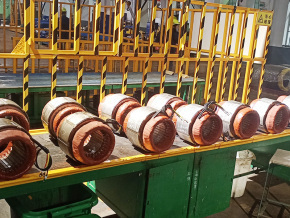
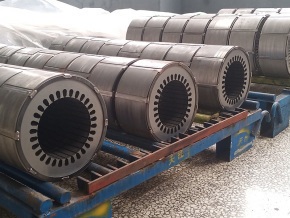
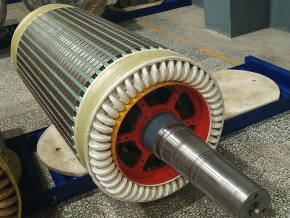
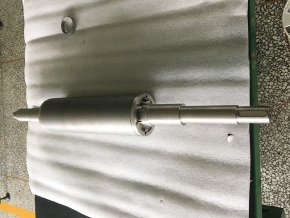
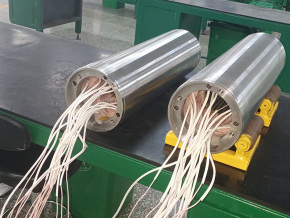
Reliability is critical in industrial operations where unexpected downtime can result in significant financial losses. High-quality Variable frequency motors are engineered with advanced insulation systems, robust rotor and stator designs, and optimized cooling structures. These features allow the motor to maintain stable performance under continuous operation, heavy loads, and demanding industrial environments. Excellent heat dissipation and vibration resistance further contribute to long-term operational stability and reduced maintenance costs.
A practical example can be found in a manufacturing facility that operates multiple conveyor systems and processing machines. Before upgrading to variable frequency motor technology, the factory experienced high energy consumption and frequent equipment maintenance due to abrupt motor starts. After implementing Variable frequency motors, the company achieved smoother equipment operation, reduced power usage, and improved production consistency. The maintenance team reported fewer component failures, while management benefited from lower operating costs and increased productivity.
Variable frequency motors are also widely used in water treatment plants, HVAC systems, mining operations, chemical processing facilities, food production lines, and textile manufacturing. In each application, the ability to precisely control motor speed helps optimize processes, improve efficiency, and maintain consistent performance. This versatility makes the technology suitable for both new installations and equipment modernization projects.
As industrial automation and intelligent manufacturing continue to evolve, companies require motor solutions that deliver efficiency, precision, and long-term value. A Variable frequency motor meets these demands by combining advanced speed control, energy savings, equipment protection, and operational reliability into a single solution. By reducing energy consumption, minimizing maintenance requirements, and improving process control, these motors help businesses overcome common operational challenges while enhancing competitiveness in today's demanding industrial market.
For manufacturers, plant operators, and system integrators seeking reliable and cost-effective drive solutions, investing in a high-performance Variable frequency motor is a strategic decision that supports sustainable growth, improved productivity, and long-term operational success. With its proven ability to increase efficiency while reducing total ownership costs, the Variable frequency motor remains one of the most valuable technologies in modern industrial power transmission systems.
recommend News

Wu Dejun: General Manager
Hu Pengbin: Marketing Director
Production site:
No.28, Huaiying Road, Gaoqiao Town, Changsha City, Hunan Province
Zip Code: 410145
Telephone:0731-86156236
ZhenHua Packing Machinery
Online consultation
Leave a message quickly and our experts will contact you
ZhenHua Packing Machinery

SAF Coolest v1.3.1.2 设置面板 GAGSD-ZGYF-JESSE-ZEA
无数据提示
Sorry, the current column is being updated, please look forward to it!
You can view other columns or returnHome Page