




Maximizing Performance: Industrial Permanent Magnet Motors Explained
2026-06-09

Maximizing Performance: Industrial Permanent Magnet Motors Explained
Table of Contents
- 1. Understanding Permanent Magnet Motors
- 2. The Technology Behind Permanent Magnet Motors
- 3. Advantages of Using Permanent Magnet Motors
- 4. Applications of Permanent Magnet Motors in Industry
- 5. Efficiency and Performance Optimization
- 6. Comparison with Other Motor Types
- 7. Future of Permanent Magnet Motors
- 8. Frequently Asked Questions (FAQs)
1. Understanding Permanent Magnet Motors
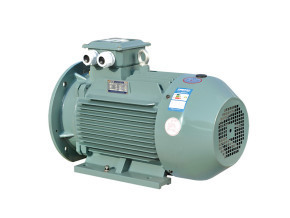
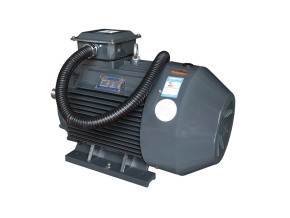
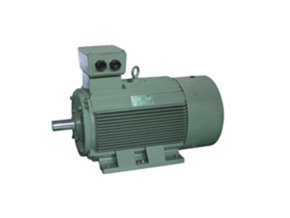
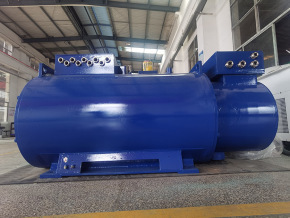
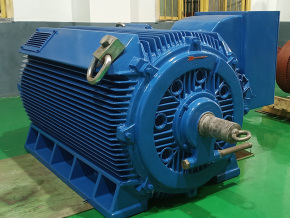
Industrial permanent magnet motors are electric motors that utilize permanent magnets to generate a magnetic field. Unlike traditional motors that rely on electromagnetism, these motors offer higher efficiency and performance. The permanent magnets create a stable magnetic field, enabling smoother operation and reducing energy consumption. This innovation has made them increasingly popular in various industries, paving the way for enhanced productivity and cost savings.
The Role of Permanent Magnets
Permanent magnets are integral to the operation of these motors. They eliminate the need for winding coils in the rotor, resulting in a more compact design. This reduction in moving parts not only minimizes wear but also enhances reliability. Additionally, the use of high-energy magnets, such as neodymium or ferrite, contributes to increased torque density, allowing for more powerful performance in a smaller footprint.
2. The Technology Behind Permanent Magnet Motors
The technology behind permanent magnet motors involves various components, including stators, rotors, and magnets. Understanding these components is crucial for maximizing the performance of the motors.
Key Components of Permanent Magnet Motors
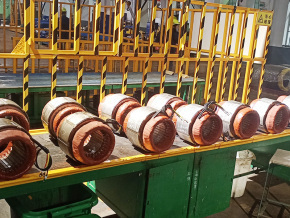
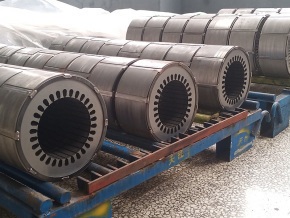
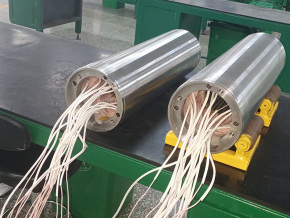
- **Stator**: The stationary part of the motor, which houses the windings that create the magnetic field.
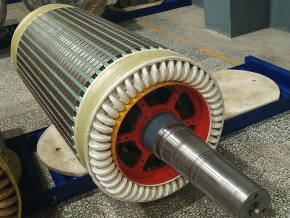
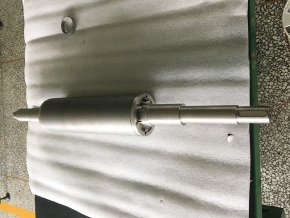
- **Rotor**: The rotating part that includes permanent magnets, producing torque when the magnetic fields interact.
- **Control Systems**: Modern permanent magnet motors often employ advanced control systems, which optimize performance by adjusting speed and torque in real-time.
Types of Permanent Magnet Motors
There are several types of permanent magnet motors, each serving unique applications:
- **Brushless DC Motors**: These motors provide excellent efficiency and are commonly used in applications such as electric vehicles and industrial automation.
- **Permanent Magnet Synchronous Motors (PMSMs)**: Known for their high efficiency and torque, PMSMs are utilized in applications requiring precise speed control.
- **Switched Reluctance Motors**: While not as common, these motors are gaining traction due to their simplicity and robustness.
3. Advantages of Using Permanent Magnet Motors
Permanent magnet motors bring numerous benefits to industrial applications, making them a compelling choice for many businesses.
Energy Efficiency
One of the most significant advantages of permanent magnet motors is their energy efficiency. They operate with minimal losses, translating to lower operational costs. In industries where energy consumption is a significant expense, utilizing permanent magnet motors can result in substantial savings.
Compact Design
The compact nature of these motors allows for easier integration into existing systems. Their smaller size doesn't compromise performance, making them ideal for applications with limited space.
Low Maintenance Requirements
With fewer moving parts and no brushes to wear out, permanent magnet motors require less maintenance than traditional motors. This reliability translates to reduced downtime and lower maintenance costs, enhancing overall productivity.
4. Applications of Permanent Magnet Motors in Industry
Permanent magnet motors are versatile and find applications across various industries, including:
Manufacturing
In manufacturing, these motors are used in automation systems, conveyor belts, and robotics. Their precision and efficiency improve productivity and reduce energy costs.
Transportation
The transportation sector benefits from permanent magnet motors in electric vehicles and trains. Their high torque and efficiency contribute to better performance and longer battery life.
HVAC Systems
Heating, ventilation, and air conditioning (HVAC) systems utilize permanent magnet motors for fans and compressors, enhancing energy efficiency and reducing operational costs.
5. Efficiency and Performance Optimization
To maximize the performance of permanent magnet motors, proper optimization techniques are essential.
Control Strategies
Implementing advanced control strategies, such as vector control and field-oriented control, can significantly enhance the performance of these motors. These techniques allow for precise control of torque and speed, leading to improved efficiency.
Regular Monitoring
Regular monitoring of motor performance helps identify potential issues before they result in failures. Utilizing IoT technology for real-time monitoring can provide insights into operational efficiency and maintenance needs.
6. Comparison with Other Motor Types
When considering motor options, it's essential to compare permanent magnet motors with other types, such as induction motors and brushed motors.
Induction Motors vs. Permanent Magnet Motors
Induction motors are widely used but typically offer lower efficiency and require more maintenance than permanent magnet motors. While induction motors are less expensive upfront, the long-term savings associated with permanent magnet motors can outweigh the initial costs.
Brushed Motors vs. Brushless Motors
Brushed motors have higher wear rates due to the brushes, which can lead to more frequent replacements. In contrast, brushless permanent magnet motors significantly reduce these concerns and provide a longer lifespan with better performance.
7. Future of Permanent Magnet Motors
The future of permanent magnet motors looks promising as technological advancements continue to emerge.
Advancements in Materials
Innovations in materials, such as high-temperature superconductors, may lead to even more efficient and compact motors. The development of new magnet materials can enhance performance and reduce costs.
Integration with Smart Technology
As industries move towards smart manufacturing, integrating permanent magnet motors with artificial intelligence and IoT technology will provide unprecedented levels of control and efficiency.
8. Frequently Asked Questions (FAQs)
What are the main benefits of using permanent magnet motors?
The main benefits include high energy efficiency, low maintenance requirements, and compact design, making them suitable for various industrial applications.
How do permanent magnet motors compare to traditional motors in terms of cost?
While the initial cost of permanent magnet motors may be higher, their energy efficiency and low maintenance costs often result in lower total lifetime costs.
Can permanent magnet motors be used in extreme environments?
Yes, advancements in materials and design allow some permanent magnet motors to operate effectively in extreme temperatures and conditions.
What industries benefit the most from permanent magnet motors?
Industries such as manufacturing, transportation, and HVAC systems benefit significantly from the efficiency and performance of permanent magnet motors.
Are there any drawbacks to using permanent magnet motors?
One potential drawback is the higher initial cost compared to some traditional motors. Additionally, the availability of rare earth materials for magnets can pose supply chain challenges.
Conclusion
In summary, industrial permanent magnet motors represent a significant advancement in motor technology, offering numerous benefits over traditional motor types. From energy efficiency to low maintenance requirements, these motors are transforming industries by enhancing performance and reducing costs. As technology continues to evolve, the applications and effectiveness of permanent magnet motors are expected to grow, making them an indispensable asset in the quest for improved industrial performance. Embracing this technology can lead to better operational efficiency, increased productivity, and substantial cost savings for businesses across various sectors.
Previous Page:
recommend News

Wu Dejun: General Manager
Hu Pengbin: Marketing Director
Production site:
No.28, Huaiying Road, Gaoqiao Town, Changsha City, Hunan Province
Zip Code: 410145
Telephone:0731-86156236
ZhenHua Packing Machinery
Online consultation
Leave a message quickly and our experts will contact you
ZhenHua Packing Machinery
Business License

SAF Coolest v1.3.1.2 设置面板 GAGSD-ZGYF-JESSE-ZEA
无数据提示
Sorry, the current column is being updated, please look forward to it!
You can view other columns or returnHome Page