




Innovations in Transportation: The Rise of Medium-Voltage DC Motors
2026-10-22

Innovations in Transportation: The Rise of Medium-Voltage DC Motors
Table of Contents
- 1. Introduction to Medium-Voltage DC Motors
- 2. Benefits of Medium-Voltage DC Motors in Transportation
- 3. Applications of Medium-Voltage DC Motors
- 4. Technology Behind Medium-Voltage DC Motors
- 5. The Future of Medium-Voltage DC Motors in Transportation
- 6. Challenges Facing Medium-Voltage DC Motors
- 7. FAQs about Medium-Voltage DC Motors
- 8. Conclusion
1. Introduction to Medium-Voltage DC Motors
The transportation industry is undergoing a significant transformation, driven by the need for more **efficient, sustainable**, and **economical** solutions. One of the most notable innovations in this sector is the adoption of medium-voltage DC motors. These motors play a pivotal role in modernizing transportation systems, enhancing their performance while reducing their carbon footprint.
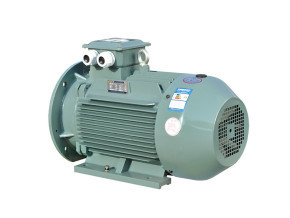
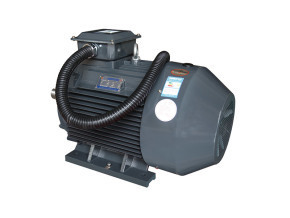
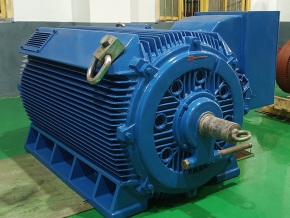
Medium-voltage DC motors, typically operating between 1 kV and 10 kV, offer a unique blend of power, efficiency, and control. Their rise marks a strategic shift toward more **environmentally friendly** transportation modes, providing substantial benefits to manufacturers and end-users alike.
2. Benefits of Medium-Voltage DC Motors in Transportation
The integration of medium-voltage DC motors into transportation systems brings with it a plethora of advantages, including:
2.1 Energy Efficiency
One of the most significant benefits of medium-voltage DC motors is their **energy efficiency**. Unlike traditional AC motors, these DC motors are capable of delivering higher torque at lower speeds, leading to reduced energy consumption. This characteristic is especially beneficial in applications where high start-up torque is essential, such as **electric vehicles (EVs)** and heavy-duty transport systems.
2.2 Improved Reliability
Medium-voltage DC motors are designed for robustness and durability. Their construction minimizes wear and tear, resulting in lower maintenance costs and extended operational life. This reliability is crucial for transportation companies aiming to maintain service continuity and minimize downtime.
2.3 Enhanced Control
These motors allow for advanced control strategies, enabling precise speed and torque management. With sophisticated control systems, operators can optimize performance in real-time, improving overall operational efficiency.
2.4 Environmental Impact
As the world pushes for greener alternatives, medium-voltage DC motors stand out for their lower emissions compared to traditional fossil-fuel-powered systems. Their ability to work effectively with renewable energy sources, such as solar and wind, further enhances their environmental credentials.
3. Applications of Medium-Voltage DC Motors
Medium-voltage DC motors are versatile and find applications across various segments of the transportation industry.
3.1 Electric Vehicles
Electric vehicles are at the forefront of the transition to sustainable transportation. Medium-voltage DC motors are increasingly being used to power electric buses, trucks, and passenger vehicles. Their high efficiency and torque characteristics help enhance vehicle performance, enabling longer ranges and better acceleration.
3.2 Light Rail Systems
In urban transit, light rail systems are becoming vital for reducing congestion and pollution. Medium-voltage DC motors are used in the propulsion systems of light rail vehicles, providing the necessary power while ensuring energy efficiency. Their compact design makes them suitable for the limited space often found in urban environments.
3.3 Shipping Industry
The shipping industry is another sector benefiting from medium-voltage DC motors. These motors are employed in electric and hybrid propulsion systems on vessels, significantly reducing fuel consumption and emissions. This trend aligns with global initiatives to make shipping more sustainable.
4. Technology Behind Medium-Voltage DC Motors
Understanding the technology behind medium-voltage DC motors is essential to grasp their impact on transportation.
4.1 Key Design Features
Medium-voltage DC motors boast several design features that contribute to their efficacy:
- **High Torque Density**: These motors can generate a substantial amount of torque relative to their size, making them ideal for compact applications like vehicles.
- **Cooling Systems**: Effective cooling mechanisms ensure optimal performance without overheating, enhancing operational longevity.
- **Modularity**: The modular design allows for easy integration into various transportation systems, facilitating upgrades and maintenance.
4.2 Advanced Control Systems
Modern medium-voltage DC motors come equipped with advanced control systems that facilitate:
- **Variable Speed Control**: This feature allows the motor to adjust its speed based on operational demands, enhancing energy savings.
- **Predictive Maintenance**: By monitoring performance metrics, these control systems can predict potential failures, allowing for proactive maintenance strategies.
5. The Future of Medium-Voltage DC Motors in Transportation
The future of medium-voltage DC motors looks promising as the transportation industry continues to innovate. Key trends shaping this future include:
- **Increased Adoption of Electrification**: As cities prioritize electrification to reduce pollution, the demand for medium-voltage DC motors in public transport systems is expected to soar.
- **Integration with Smart Technologies**: The rise of smart transportation solutions will likely integrate medium-voltage DC motors with IoT technologies, allowing for smarter, more responsive transportation systems.
- **Advancements in Battery Technology**: As battery technology improves, the efficiency and range of electric vehicles powered by medium-voltage DC motors will significantly enhance, making them more appealing to consumers.
6. Challenges Facing Medium-Voltage DC Motors
Despite their numerous benefits, medium-voltage DC motors face several challenges, including:
- **Initial Cost**: The upfront investment for medium-voltage DC motors can be substantial, potentially deterring organizations from adopting this technology.
- **Technical Expertise**: Operating and maintaining these advanced systems require specialized knowledge and training, which may not be readily available in all regions.
- **Infrastructure Development**: As the transition to medium-voltage DC motors gains momentum, the necessary infrastructure, such as charging stations and maintenance facilities, must be developed to support widespread adoption.
7. FAQs about Medium-Voltage DC Motors
What is a medium-voltage DC motor?
A medium-voltage DC motor is an electric motor that operates on direct current at a voltage typically between 1 kV and 10 kV, offering high efficiency and performance.
How do medium-voltage DC motors compare to traditional AC motors?
Medium-voltage DC motors provide better torque at lower speeds, enhanced energy efficiency, and improved reliability compared to traditional AC motors.
What are the primary applications of medium-voltage DC motors in transportation?
They are primarily used in electric vehicles, light rail systems, and the shipping industry.
What challenges do medium-voltage DC motors face?
Challenges include high initial costs, the need for technical expertise, and requirements for supporting infrastructure.
How do medium-voltage DC motors contribute to environmental sustainability?
They reduce emissions and work effectively with renewable energy sources, aligning with global sustainability goals.
8. Conclusion
The rise of medium-voltage DC motors is revolutionizing the transportation sector, providing a pathway toward more **sustainable** and **efficient** transit solutions. With their remarkable efficiency, reliability, and adaptability, these motors are paving the way for a future where transportation systems are not only more effective but also kinder to the environment. As the industry continues to embrace these innovations, the potential for medium-voltage DC motors to transform transportation is boundless, heralding a new era of eco-friendly mobility.
Previous Page:
recommend News

Wu Dejun: General Manager
Hu Pengbin: Marketing Director
Production site:
No.28, Huaiying Road, Gaoqiao Town, Changsha City, Hunan Province
Zip Code: 410145
Telephone:0731-86156236
ZhenHua Packing Machinery
Online consultation
Leave a message quickly and our experts will contact you
ZhenHua Packing Machinery
Business License

SAF Coolest v1.3.1.2 设置面板 GAGSD-ZGYF-JESSE-ZEA
无数据提示
Sorry, the current column is being updated, please look forward to it!
You can view other columns or returnHome Page