




The Future of Industrial Permanent Magnet Motors in Transportation Applications: Revolutionizing Mobility
2026-09-28

The Future of Industrial Permanent Magnet Motors in Transportation Applications
Table of Contents
- 1. Introduction to Permanent Magnet Motors
- 2. Evolution of Industrial Motors in Transportation
- 3. Key Benefits of Permanent Magnet Motors
- 4. Applications in Transportation
- 5. Innovations Driving the Future
- 6. Challenges Facing Permanent Magnet Motors
- 7. Future Prospects and Trends
- 8. Frequently Asked Questions
- 9. Conclusion: Embracing the Future
1. Introduction to Permanent Magnet Motors
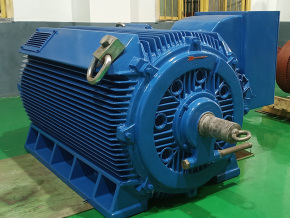
The transportation sector is on the brink of a significant revolution, driven by the integration of **industrial permanent magnet motors**. These motors, which utilize permanent magnets rather than electromagnets to create magnetic fields, offer a range of advantages over conventional motor technologies. With increasing pressure to cut carbon emissions and enhance energy efficiency, industries are turning their attention to this innovative solution.
The importance of **permanent magnet motors** in transportation applications cannot be overstated. As we delve into the various dimensions of this technology, we will uncover its potential to redefine how we approach mobility, energy consumption, and environmental sustainability.
2. Evolution of Industrial Motors in Transportation
The journey of industrial motors in the transportation sector has been marked by technological advancements and a relentless pursuit of greater efficiency. Traditional induction motors have served the industry well for decades, but the rise of **permanent magnet motors** has provided a viable alternative that meets modern demands for higher performance and lower environmental impact.
In the late 20th century, the introduction of **brushless DC motors**, which incorporated permanent magnets, marked a significant turning point. These motors provided enhanced torque-to-weight ratios and reduced maintenance requirements. Today, we witness robust developments that further amplify the advantages of permanent magnet technology, laying the groundwork for its widespread adoption in various modalities, from road vehicles to rail systems.
3. Key Benefits of Permanent Magnet Motors
The adoption of **industrial permanent magnet motors** in transportation applications brings forth numerous benefits.
3.1 Enhanced Energy Efficiency
One of the most compelling advantages of these motors is their energy efficiency. By reducing energy losses through improved design and materials, permanent magnet motors can achieve efficiencies exceeding 95%. This translates to lower operational costs and reduced energy consumption, crucial factors in a world that increasingly values sustainability.
3.2 Compact Size and Lightweight Design
Another benefit is the compact size and lightweight nature of permanent magnet motors. Their efficient design allows for smaller physical footprints, making them an ideal choice for applications where space is at a premium. This is particularly relevant in electric vehicles (EVs), where every ounce of weight reduction can enhance performance and range.
3.3 Superior Performance
Permanent magnet motors deliver superior torque and responsiveness compared to traditional motors. This capability allows for smoother acceleration and deceleration, significantly improving the driving experience. The instantaneous torque provided by these motors is especially beneficial in urban environments where frequent stop-and-go traffic is common.
3.4 Reduced Maintenance Costs
With fewer moving parts and the elimination of brushes, permanent magnet motors require less maintenance than their traditional counterparts. This reliability translates into lower total cost of ownership for transportation operators, further incentivizing the shift toward this technology.
4. Applications in Transportation
The versatility of **industrial permanent magnet motors** has led to their adoption across various transportation sectors.
4.1 Electric Vehicles
The most prominent application for permanent magnet motors is undoubtedly in electric vehicles (EVs). As the automotive industry undergoes a seismic shift towards electrification, these motors play a critical role in enhancing vehicle performance and efficiency. Leading manufacturers are increasingly integrating permanent magnet motors into their EV designs, leveraging their advantages to meet consumer demands for range and performance.
4.2 Rail Transportation
In rail transportation, permanent magnet motors are revolutionizing the way we think about high-speed trains and freight locomotives. Their ability to deliver high torque at low speeds makes them ideal for rail applications, where starting and stopping are frequent. The energy efficiency of these motors also contributes to the overall sustainability of rail networks, reducing both operational costs and emissions.
4.3 Aerospace Innovations
The aerospace sector is another promising venue for permanent magnet motors. With the push toward electric and hybrid aircraft, these motors offer weight savings and improved efficiency, critical factors in aviation where performance and fuel economy are paramount. Researchers are actively exploring the potential of permanent magnet motors for use in small drones and electric vertical takeoff and landing (eVTOL) aircraft, opening new horizons in air transportation.
4.4 Marine Applications
Marine transportation is not left behind in the innovation race. Permanent magnet motors are making waves in this sector by powering electric and hybrid vessels. Their quiet operation and energy efficiency are particularly appealing in marine environments, where noise pollution and fuel consumption are of growing concern. As regulations tighten around emissions in maritime transport, the shift toward permanent magnet motor technology is likely to accelerate.
5. Innovations Driving the Future
The future of permanent magnet motors is being shaped by continuous innovations. Advancements in materials science, particularly the development of rare earth magnets, are enhancing the performance characteristics of these motors. New manufacturing techniques, such as additive manufacturing and precision machining, are allowing for more complex designs that maximize efficiency without compromising on durability.
Moreover, the integration of smart technologies, including IoT and predictive maintenance analytics, is set to further enhance the capabilities of permanent magnet motors. By providing real-time data on motor performance, these technologies can help optimize energy usage and reduce downtime, elevating the operational efficiency of transportation systems.
6. Challenges Facing Permanent Magnet Motors
Despite their many advantages, the widespread adoption of permanent magnet motors does face several challenges.
6.1 Cost of Rare Earth Materials
The reliance on rare earth materials for manufacturing permanent magnets poses a significant challenge. Fluctuating prices and supply chain vulnerabilities can impact production costs and availability. Developing alternative materials or improving recycling methods are crucial steps toward mitigating this issue.
6.2 Thermal Management
As with any high-performance motor, effective thermal management is vital. Permanent magnet motors can generate significant heat during operation, which can affect reliability and performance. Researchers are continually working on innovative cooling solutions to enhance thermal management and ensure the long-term viability of these motors in demanding applications.
7. Future Prospects and Trends
The future of **industrial permanent magnet motors** is poised for explosive growth in the transportation sector. As global initiatives to combat climate change intensify, the demand for cleaner, more efficient transportation solutions will drive innovation. Regulatory frameworks are increasingly favoring electric and hybrid systems, providing a fertile environment for permanent magnet technology to thrive.
Moreover, ongoing research into the development of next-generation motors, which may leverage advancements in materials and design, promises even greater efficiencies and capabilities. As we move toward a more electrified and interconnected world, the role of permanent magnet motors in transportation will only grow more critical.
8. Frequently Asked Questions
8.1 What are permanent magnet motors, and how do they work?
Permanent magnet motors utilize permanent magnets to create a magnetic field, eliminating the need for electromagnets. This design leads to higher efficiency and performance.
8.2 What are the main advantages of using permanent magnet motors in transportation?
Main advantages include enhanced energy efficiency, compact size, superior performance, and reduced maintenance costs.
8.3 How are permanent magnet motors impacting electric vehicles?
They provide higher torque and efficiency, improving range and performance, making EVs more desirable for consumers.
8.4 What challenges do permanent magnet motors face?
Challenges include the cost of rare earth materials and the need for effective thermal management.
8.5 What is the future of permanent magnet motors in the transportation sector?
The future is bright, with increased adoption driven by environmental regulations, technological innovations, and growing demand for efficient transportation solutions.
9. Conclusion: Embracing the Future
The integration of **industrial permanent magnet motors** into transportation applications represents a transformative shift toward efficiency and sustainability. As we stand at the forefront of this technological revolution, the benefits are clear—enhanced performance, reduced emissions, and lower operational costs.
The journey ahead is filled with opportunities as industries embrace these innovations to meet the challenges of tomorrow. As we propel into the future of transportation, it is evident that permanent magnet motors will play a pivotal role in shaping a more sustainable and efficient world. The commitment to innovation and adaptation will ensure that the transportation sector not only meets current demands but also anticipates the needs of future generations.
recommend News

Wu Dejun: General Manager
Hu Pengbin: Marketing Director
Production site:
No.28, Huaiying Road, Gaoqiao Town, Changsha City, Hunan Province
Zip Code: 410145
Telephone:0731-86156236
ZhenHua Packing Machinery
Online consultation
Leave a message quickly and our experts will contact you
ZhenHua Packing Machinery
Business License

SAF Coolest v1.3.1.2 设置面板 GAGSD-ZGYF-JESSE-ZEA
无数据提示
Sorry, the current column is being updated, please look forward to it!
You can view other columns or returnHome Page