




The Role and Importance of Subway Motors in Modern Transportation Systems
2026-03-11

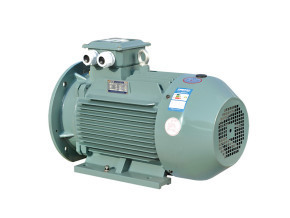
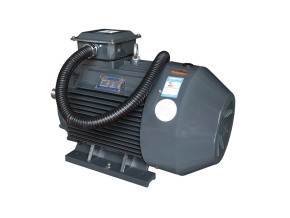
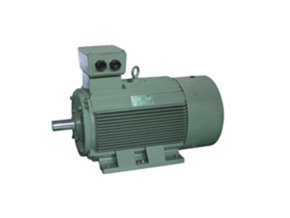
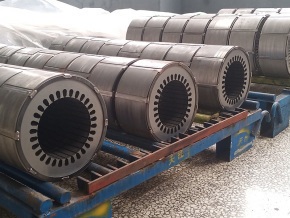
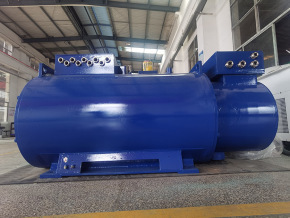
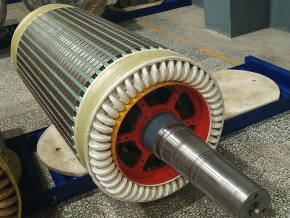
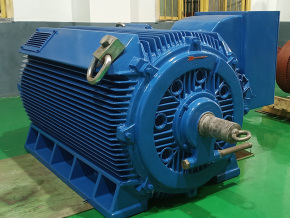
Subway motors are a crucial component of urban transportation systems, particularly in cities where rapid transit is essential for mobility. These electric motors are designed specifically for the demands of subway trains, operating efficiently under various conditions while ensuring reliability and safety. Understanding subway motors involves exploring their functionalities, advancements in technology, and their impact on the overall transportation infrastructure.
At the core of subway operations, subway motors convert electrical energy into mechanical energy, enabling trains to accelerate, decelerate, and maintain speed. They typically operate on a three-phase alternating current (AC) system, which allows for smoother control of the train's movements compared to traditional direct current (DC) systems. This transition to AC motors has resulted in improved energy efficiency, reduced maintenance needs, and enhanced performance characteristics.
One of the critical aspects of subway motors is their ability to handle high torque, providing the necessary force to start heavy trains and maintain consistent performance over long distances. Advanced designs, such as the use of permanent magnets or synchronous motors, have further improved efficiency, making modern subway systems more sustainable and cost-effective. These innovations also contribute to reduced noise levels and less environmental impact, aligning with contemporary urban planning goals.
In addition to their mechanical attributes, subway motors have also benefitted from advancements in control systems. Modern trains often utilize sophisticated drive control systems, which optimize power delivery to the motors based on real-time demand. This not only enhances energy efficiency but also improves passenger comfort by ensuring smooth acceleration and braking.
Moreover, the integration of smart technologies, such as predictive maintenance systems, has changed how subway motors are monitored and maintained. These systems use data analytics to predict potential failures before they occur, allowing for proactive servicing and minimizing downtime. As urban populations continue to grow, the reliability and performance of subway systems become increasingly vital, emphasizing the importance of advanced motor technology.
In summary, subway motors play an indispensable role in the efficiency and reliability of urban transport systems. Their design and operational capabilities have evolved significantly, driven by the need for greater efficiency and sustainability. As cities expand and the demand for public transport increases, the ongoing innovation in subway motor technology will be essential for meeting future transportation challenges and improving urban mobility. Understanding these motors' technical aspects is critical for stakeholders involved in the transport sector, ensuring that subway systems remain a cornerstone of efficient urban infrastructure.
At the core of subway operations, subway motors convert electrical energy into mechanical energy, enabling trains to accelerate, decelerate, and maintain speed. They typically operate on a three-phase alternating current (AC) system, which allows for smoother control of the train's movements compared to traditional direct current (DC) systems. This transition to AC motors has resulted in improved energy efficiency, reduced maintenance needs, and enhanced performance characteristics.
One of the critical aspects of subway motors is their ability to handle high torque, providing the necessary force to start heavy trains and maintain consistent performance over long distances. Advanced designs, such as the use of permanent magnets or synchronous motors, have further improved efficiency, making modern subway systems more sustainable and cost-effective. These innovations also contribute to reduced noise levels and less environmental impact, aligning with contemporary urban planning goals.
In addition to their mechanical attributes, subway motors have also benefitted from advancements in control systems. Modern trains often utilize sophisticated drive control systems, which optimize power delivery to the motors based on real-time demand. This not only enhances energy efficiency but also improves passenger comfort by ensuring smooth acceleration and braking.
Moreover, the integration of smart technologies, such as predictive maintenance systems, has changed how subway motors are monitored and maintained. These systems use data analytics to predict potential failures before they occur, allowing for proactive servicing and minimizing downtime. As urban populations continue to grow, the reliability and performance of subway systems become increasingly vital, emphasizing the importance of advanced motor technology.
In summary, subway motors play an indispensable role in the efficiency and reliability of urban transport systems. Their design and operational capabilities have evolved significantly, driven by the need for greater efficiency and sustainability. As cities expand and the demand for public transport increases, the ongoing innovation in subway motor technology will be essential for meeting future transportation challenges and improving urban mobility. Understanding these motors' technical aspects is critical for stakeholders involved in the transport sector, ensuring that subway systems remain a cornerstone of efficient urban infrastructure.
Previous Page:
recommend News

Wu Dejun: General Manager
Hu Pengbin: Marketing Director
Production site:
No.28, Huaiying Road, Gaoqiao Town, Changsha City, Hunan Province
Zip Code: 410145
Telephone:0731-86156236
ZhenHua Packing Machinery
Online consultation
Leave a message quickly and our experts will contact you
ZhenHua Packing Machinery
Business License

SAF Coolest v1.3.1.2 设置面板 GAGSD-ZGYF-JESSE-ZEA
无数据提示
Sorry, the current column is being updated, please look forward to it!
You can view other columns or returnHome Page