




The Future of Rail Transit Motors: Innovations to Watch in the Transportation Industry
2026-03-13

The Future of Rail Transit Motors: Innovations to Watch
In the ever-evolving landscape of transportation, rail transit motors stand out as a crucial component that influences the efficiency, reliability, and sustainability of railway systems. As cities expand and the demand for efficient public transport grows, innovations in rail transit motors are emerging as key drivers of change. This article delves into the latest trends, technologies, and advancements that are paving the way for the future of rail transit motors.
Table of Contents
- 1. Understanding the Importance of Rail Transit Motors
- 2. Current Technologies in Rail Transit Motors
- 3. Innovations in Electric Rail Transit Motors
- 4. The Role of Renewable Energy Sources
- 5. Smart Technologies Enhancing Rail Transit
- 6. Challenges in Implementing New Technologies
- 7. Case Studies of Innovative Rail Transit Motors
- 8. The Future Outlook for Rail Transit Motors
- 9. FAQs about Rail Transit Motor Innovations
1. Understanding the Importance of Rail Transit Motors
Rail transit motors are the backbone of the railway systems that facilitate the movement of people and goods across vast distances. These motors not only drive the trains but also affect energy consumption, maintenance costs, and overall operational efficiency. A reliable rail transit motor can significantly reduce travel times, enhance safety, and minimize environmental impacts.
2. Current Technologies in Rail Transit Motors
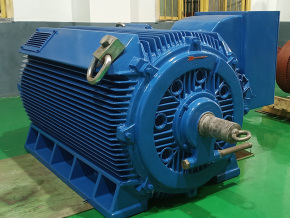
Many rail transit systems currently rely on a variety of motor technologies, including traditional diesel engines and electric motors. Electric motors are gaining traction due to their efficiency and lower emissions. The following technologies are at the forefront:
2.1 AC vs. DC Motors
Both Alternating Current (AC) and Direct Current (DC) motors have their advantages. AC motors are typically more efficient and require less maintenance, making them ideal for high-speed rail systems. Conversely, DC motors offer better torque at low speeds, which can be beneficial for urban transit systems.
2.2 Brushless Motors
Brushless DC motors are becoming increasingly popular due to their efficiency and longevity. These motors reduce wear and tear, leading to lower maintenance costs and longer service life. Their compact design also allows for more flexible design options in train configurations.
3. Innovations in Electric Rail Transit Motors
Electric rail transit motors are seeing rapid advancements in technology, enhancing their performance and sustainability. Some noteworthy innovations include:
3.1 Regenerative Braking Systems
Regenerative braking technology allows trains to capture and reuse energy typically lost during braking. This innovation not only improves efficiency but also contributes to lower energy costs and reduced emissions.
3.2 High-Efficiency Induction Motors
High-efficiency induction motors are designed to operate at optimal performance levels, reducing energy consumption. These motors utilize advanced materials and cooling methods to enhance their efficiency, which is crucial for long-distance rail services.
4. The Role of Renewable Energy Sources
As the world shifts towards sustainability, rail transit systems are increasingly incorporating renewable energy sources. This transition is vital for reducing the carbon footprint of railway operations.
4.1 Solar Energy Integration
Rail systems are exploring the integration of solar panels along tracks and train stations. This initiative not only provides a renewable energy source but also supports energy independence for rail operations.
4.2 Wind Power Utilization
Some railway operators are tapping into wind energy to power their operations. Wind turbines can be strategically placed near rail lines to harness energy that can be used to power electric transit motors.
5. Smart Technologies Enhancing Rail Transit
The incorporation of smart technologies is revolutionizing rail transit operations. These innovations lead to improved safety, efficiency, and passenger experience.
5.1 Internet of Things (IoT) Applications
IoT technology is being implemented to monitor the health and performance of rail transit motors in real-time. Sensors installed in motors can provide data on performance metrics, allowing for proactive maintenance and reducing system downtime.
5.2 Artificial Intelligence (AI) in Operations
AI-driven algorithms can optimize train schedules, predict maintenance needs, and even enhance energy management. This level of automation leads to better decision-making and improved operational efficiency.
6. Challenges in Implementing New Technologies
Despite the promising innovations, several challenges hinder the widespread implementation of advanced rail transit motor technologies:
6.1 High Initial Costs
The investment required for cutting-edge technologies can be significant. Many rail operators are hesitant to adopt new systems without clear financial incentives or government support to offset costs.
6.2 Infrastructure Limitations
Existing railway infrastructure may not be compatible with newer technologies, requiring extensive upgrades. These upgrades can be costly and time-consuming, delaying the adoption of innovative systems.
7. Case Studies of Innovative Rail Transit Motors
Several rail transit systems around the globe are successfully integrating innovative motor technologies:
7.1 Japan's Shinkansen
The Shinkansen, or bullet train, utilizes advanced electric motors and regenerative braking systems to achieve remarkable efficiency and speed. Its continual innovation sets a benchmark for rail systems worldwide.
7.2 Germany's Deutsche Bahn
Deutsche Bahn is exploring the use of hydrogen-powered trains, which promise zero emissions. This initiative highlights the potential for alternative power sources in future rail transit motor designs.
8. The Future Outlook for Rail Transit Motors
Looking ahead, the future of rail transit motors is bright with potential advancements. Key trends include:
8.1 Increased Focus on Sustainability
Rail systems will continue to prioritize sustainability, with innovations aimed at reducing emissions and energy consumption. Future motors will likely incorporate hybrid technologies and alternative energy sources.
8.2 Enhanced Automation and Connectivity
The future will see even greater integration of automation in rail operations. Fully autonomous trains, guided by sophisticated AI systems, may soon become a reality, reshaping the passenger experience.
9. FAQs about Rail Transit Motor Innovations
9.1 What are the main benefits of electric rail transit motors?
Electric rail transit motors offer lower emissions, higher efficiency, and reduced operating costs compared to traditional diesel engines.
9.2 How does regenerative braking work?
Regenerative braking captures energy typically lost during braking and converts it back into usable power, enhancing efficiency and reducing energy costs.
9.3 What role do renewable energy sources play in rail systems?
Renewable energy sources, such as solar and wind, help reduce the carbon footprint of rail operations and promote energy independence.
9.4 What challenges do rail operators face when adopting new technologies?
Challenges include high initial costs, infrastructure limitations, and the need for extensive training and adaptation.
9.5 Are there any examples of innovative rail transit motors in use today?
Yes, systems like Japan's Shinkansen and Germany's Deutsche Bahn are leading the way in adopting innovative electric motors and alternative energy sources.
Conclusion
The future of rail transit motors is poised for transformation, driven by advancements in technology, sustainability, and efficiency. As the demand for effective public transport solutions grows, the innovations discussed in this article will play a critical role in shaping the rail systems of tomorrow. By embracing these advancements, rail transit operators can improve their environmental impact, enhance operational efficiency, and provide a better experience for riders. With continued investment and research, we can anticipate a new era of rail transit that meets the needs of modern society while preserving the planet for future generations.
recommend News

Wu Dejun: General Manager
Hu Pengbin: Marketing Director
Production site:
No.28, Huaiying Road, Gaoqiao Town, Changsha City, Hunan Province
Zip Code: 410145
Telephone:0731-86156236
ZhenHua Packing Machinery
Online consultation
Leave a message quickly and our experts will contact you
ZhenHua Packing Machinery

SAF Coolest v1.3.1.2 设置面板 GAGSD-ZGYF-JESSE-ZEA
无数据提示
Sorry, the current column is being updated, please look forward to it!
You can view other columns or returnHome Page