




Understanding Industrial Motors: Key Insights for the Transportation Sector
2026-02-28

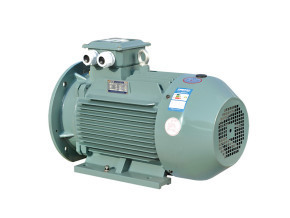
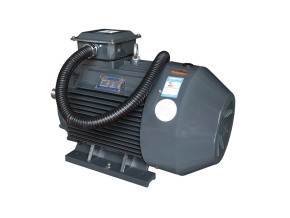
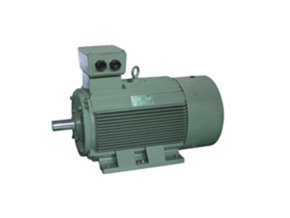
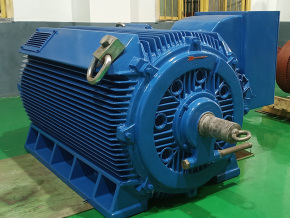
Industrial motors serve as the backbone of many systems within the transportation sector, particularly in the realm of various transportation equipment and components. These motors are designed to convert electrical energy into mechanical energy, providing the necessary power to drive numerous applications. Understanding their characteristics and functionalities is crucial for professionals working in this industry.
One of the primary types of industrial motors used in transportation is the AC motor, which is known for its durability and efficiency. AC motors are widely employed due to their ability to operate at high speeds and their effectiveness in handling varying loads. Additionally, they require less maintenance compared to other types of motors, making them a preferred choice for continuous operations in transportation systems.
Another important type is the DC motor, which offers high torque at low speeds, making it ideal for applications requiring precise control. DC motors are commonly used in electric vehicles and other specialized equipment within the transportation sector, where responsiveness and control are vital.
When considering industrial motors for transportation equipment, several factors should be taken into account. The motor's power rating, efficiency, and operational environment are crucial in determining its suitability for specific applications. For instance, motors used in outdoor environments must be resistant to weather conditions and have adequate protection against dust and moisture.
Additionally, the size and weight of the motor can impact the overall design and functionality of the equipment. Transportation devices often have space constraints, so selecting a compact motor without compromising performance is essential. Engineers and procurement professionals need to collaborate closely to ensure that the chosen motor aligns with the operational specifications and design requirements.
Another critical aspect is the integration of advanced technologies, such as IoT and smart monitoring systems. These innovations can enhance the performance of industrial motors by allowing real-time monitoring and predictive maintenance, thereby reducing downtime and increasing overall efficiency. By leveraging data analytics, operators can optimize motor performance and extend the lifespan of their transportation equipment.
In conclusion, industrial motors play a vital role in the transportation sector, powering a variety of equipment and components. By understanding the different types of motors available and the key factors influencing their performance, professionals in the industry can make informed decisions that lead to more efficient and reliable transportation solutions. The right industrial motor not only ensures the smooth operation of equipment but also contributes to the overall success of transportation operations.
One of the primary types of industrial motors used in transportation is the AC motor, which is known for its durability and efficiency. AC motors are widely employed due to their ability to operate at high speeds and their effectiveness in handling varying loads. Additionally, they require less maintenance compared to other types of motors, making them a preferred choice for continuous operations in transportation systems.
Another important type is the DC motor, which offers high torque at low speeds, making it ideal for applications requiring precise control. DC motors are commonly used in electric vehicles and other specialized equipment within the transportation sector, where responsiveness and control are vital.
When considering industrial motors for transportation equipment, several factors should be taken into account. The motor's power rating, efficiency, and operational environment are crucial in determining its suitability for specific applications. For instance, motors used in outdoor environments must be resistant to weather conditions and have adequate protection against dust and moisture.
Additionally, the size and weight of the motor can impact the overall design and functionality of the equipment. Transportation devices often have space constraints, so selecting a compact motor without compromising performance is essential. Engineers and procurement professionals need to collaborate closely to ensure that the chosen motor aligns with the operational specifications and design requirements.
Another critical aspect is the integration of advanced technologies, such as IoT and smart monitoring systems. These innovations can enhance the performance of industrial motors by allowing real-time monitoring and predictive maintenance, thereby reducing downtime and increasing overall efficiency. By leveraging data analytics, operators can optimize motor performance and extend the lifespan of their transportation equipment.
In conclusion, industrial motors play a vital role in the transportation sector, powering a variety of equipment and components. By understanding the different types of motors available and the key factors influencing their performance, professionals in the industry can make informed decisions that lead to more efficient and reliable transportation solutions. The right industrial motor not only ensures the smooth operation of equipment but also contributes to the overall success of transportation operations.
Previous Page:
recommend News

Wu Dejun: General Manager
Hu Pengbin: Marketing Director
Production site:
No.28, Huaiying Road, Gaoqiao Town, Changsha City, Hunan Province
Zip Code: 410145
Telephone:0731-86156236
ZhenHua Packing Machinery
Online consultation
Leave a message quickly and our experts will contact you
ZhenHua Packing Machinery
Business License

SAF Coolest v1.3.1.2 设置面板 GAGSD-ZGYF-JESSE-ZEA
无数据提示
Sorry, the current column is being updated, please look forward to it!
You can view other columns or returnHome Page