




Maximizing Performance with High-Efficiency Motors in Transportation Devices
2026-02-27

Maximizing Performance with High-Efficiency Motors in Transportation Devices
Table of Contents
- Introduction to High-Efficiency Motors
- Importance of High-Efficiency Motors in Transportation
- How High-Efficiency Motors Work
- Benefits of Using High-Efficiency Motors
- Applications in Different Transportation Devices
- Case Studies: Success Stories
- Future Trends in Motor Technology
- Frequently Asked Questions
- Conclusion
Introduction to High-Efficiency Motors
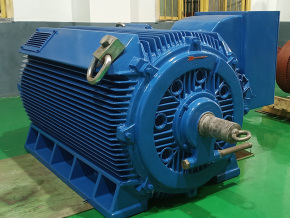
The transportation industry is undergoing a significant transformation, driven by the growing need for energy efficiency and sustainability. At the forefront of this revolution are **high-efficiency motors**, designed to deliver optimal performance while minimizing energy consumption. These motors convert electrical energy into mechanical energy with remarkable efficiency, thereby enhancing the overall productivity of various transportation devices.
Importance of High-Efficiency Motors in Transportation
In an age where environmental concerns dominate public discourse, high-efficiency motors play a crucial role in reducing the carbon footprint of transportation systems. By utilizing these advanced motors, companies can achieve substantial reductions in energy costs and emissions. Furthermore, high-efficiency motors contribute to extended equipment life and reduced maintenance requirements, making them a smart choice for transportation businesses.
Environmental Benefits
The environmental impact of transportation has been a critical concern, with traditional motors often leading to significant pollution and resource depletion. High-efficiency motors emit fewer greenhouse gases and consume less energy, aligning perfectly with global sustainability goals.
Economic Advantages
Investing in high-efficiency motors can lead to considerable cost savings. By lowering energy consumption, businesses can allocate resources more effectively, enhancing their bottom line while contributing to a greener planet.
How High-Efficiency Motors Work
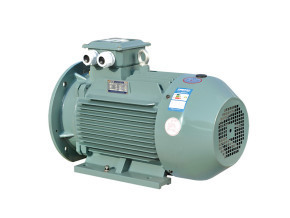
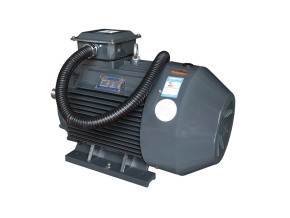
High-efficiency motors operate on principles of advanced engineering and technology. They employ design improvements and high-quality materials which enable them to convert more electrical energy into useful work.
Key Components
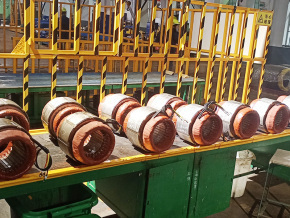
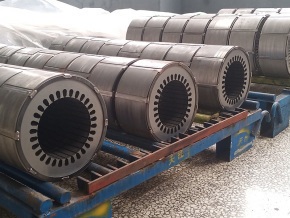
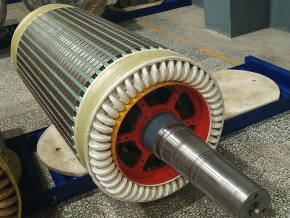
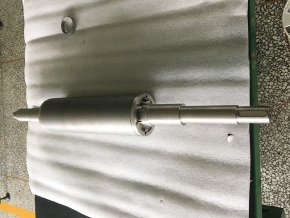
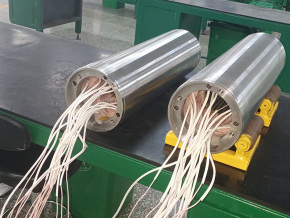
- **Stator and Rotor Design**: A well-designed stator and rotor enable better electromagnetic interaction, leading to improved efficiency.
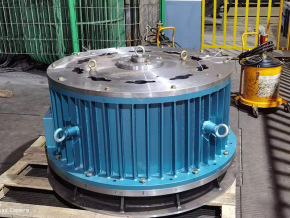
- **Cooling Systems**: Efficient cooling mechanisms prevent overheating, enhancing performance and longevity.
- **Magnetic Materials**: High-quality magnetic materials reduce losses and increase the motor's operational efficiency.
Energy Conversion Mechanisms
These motors utilize advanced energy conversion mechanisms that maximize torque and minimize energy losses during operation. The result is a smoother and more efficient performance across a range of applications.
Benefits of Using High-Efficiency Motors
Adopting high-efficiency motors in transportation devices yields numerous benefits that extend beyond just energy savings.
Increased Reliability
High-efficiency motors are engineered for durability, resulting in fewer breakdowns and less downtime. This reliability is essential in sectors where time is money.
Lower Operating Costs
The energy savings associated with high-efficiency motors translate directly into lower operating costs. Companies can significantly reduce their energy bills, making these motors a financially sound investment.
Enhanced Performance
These motors provide higher torque at lower speeds, improving the acceleration and overall performance of transportation devices. This is particularly beneficial in applications requiring quick responses and heavy loads.
Applications in Different Transportation Devices
High-efficiency motors find applications across a wide array of transportation devices, revolutionizing industries from automotive to aviation.
Electric Vehicles (EVs)
In the automotive industry, high-efficiency motors are vital for electric vehicles. They enhance range and performance, making EVs a more viable option for consumers.
Rail Transport
The rail industry benefits from high-efficiency motors that reduce energy consumption, increase speed, and improve safety. These motors support not only passenger trains but also freight transport solutions.
Aviation
In the aviation industry, high-efficiency motors are used in avionics and auxiliary systems, contributing to energy savings that are crucial for operational efficiency.
Maritime Transportation
High-efficiency motors are becoming increasingly common in marine applications, driving vessels with greater efficiency and lower emissions.
Case Studies: Success Stories
Examining real-world applications of high-efficiency motors provides insight into their transformative impact.
Case Study 1: Electric Bus Fleet
A city implemented a fleet of electric buses powered by high-efficiency motors. The result was a **20% reduction in energy costs** and a significant decrease in urban emissions.
Case Study 2: Freight Train Optimization
A freight company upgraded to high-efficiency motors for their locomotives, leading to a **15% increase in operational efficiency** and a substantial drop in fuel consumption.
Future Trends in Motor Technology
The future of high-efficiency motors is promising, with ongoing advancements in technology shaping their development.
Integration with IoT
The integration of Internet of Things (IoT) technology will allow for real-time monitoring and optimization of motor performance. This innovation will enhance efficiency and predictive maintenance.
Further Material Innovations
Research into advanced materials promises even higher efficiency levels. Innovations in superconductors and magnetics will continue to push the boundaries of motor performance.
Sustainability Focus
As regulations tighten and sustainability becomes a priority, the demand for high-efficiency motors will only grow. This shift will drive further innovation and investment in this sector.
Frequently Asked Questions
1. What are high-efficiency motors?
High-efficiency motors are designed to convert electrical energy into mechanical energy with minimal losses, resulting in improved performance and energy consumption.
2. How do high-efficiency motors save energy?
They save energy through improved design features, high-quality materials, and advanced engineering that reduces friction and heat loss.
3. Are high-efficiency motors more expensive?
While the initial investment may be higher, the long-term savings on energy costs and maintenance often outweigh the upfront expenses.
4. In which transportation devices are high-efficiency motors used?
They are used in electric vehicles, trains, aircraft, and maritime vessels, amongst others.
5. What is the future of high-efficiency motors?
The future includes advancements in IoT integration, material innovations, and a greater focus on sustainability, driving further efficiency improvements.
Conclusion
High-efficiency motors are revolutionizing the transportation industry by providing enhanced performance, significant energy savings, and lower environmental impact. As we move towards a more sustainable future, these advanced technologies will play a pivotal role in shaping the transportation landscape. By adopting high-efficiency motors in a variety of devices, businesses can not only improve their operational efficiency and reduce costs but also contribute to a greener planet. The shift to high-efficiency motors is not just a trend; it is an essential step towards a sustainable and efficient future in transportation.
recommend News

Wu Dejun: General Manager
Hu Pengbin: Marketing Director
Production site:
No.28, Huaiying Road, Gaoqiao Town, Changsha City, Hunan Province
Zip Code: 410145
Telephone:0731-86156236
ZhenHua Packing Machinery
Online consultation
Leave a message quickly and our experts will contact you
ZhenHua Packing Machinery
Business License

SAF Coolest v1.3.1.2 设置面板 GAGSD-ZGYF-JESSE-ZEA
无数据提示
Sorry, the current column is being updated, please look forward to it!
You can view other columns or returnHome Page