


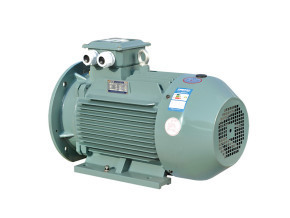

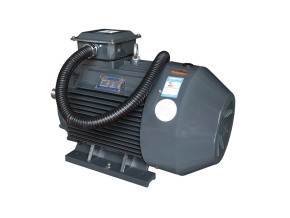
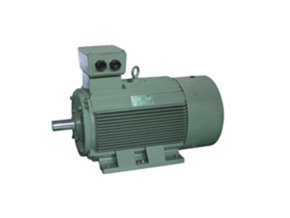
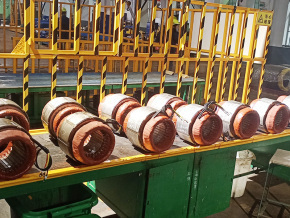
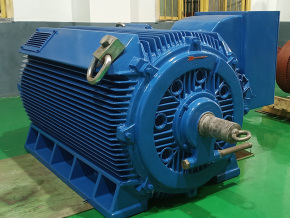

Unleashing Efficiency: The Top Benefits of Investing in Advanced Rail Transit Motors
2026-02-23

Unleashing Efficiency: The Top Benefits of Investing in Advanced Rail Transit Motors
In the fast-evolving world of transportation, the shift towards **advanced rail transit motors** represents a significant leap forward. As urbanization accelerates and environmental concerns rise, the demand for efficient and sustainable transportation solutions is at an all-time high. In this article, we will delve into the myriad of benefits associated with investing in advanced rail transit motors, examining how they can not only improve operational efficiency but also contribute to a greener future.
Table of Contents
- 1. The Benefits of Advanced Rail Transit Motors
- 2. Enhanced Energy Efficiency
- 3. Significant Cost Reductions
- 4. Improved Passenger Comfort and Experience
- 5. Increased Reliability and Maintenance Ease
- 6. Positive Environmental Impact
- 7. Technological Advancements in Rail Motors
- 8. The Future of Rail Transit and Motors
- 9. Frequently Asked Questions
- 10. Conclusion
1. The Benefits of Advanced Rail Transit Motors
Advanced rail transit motors are designed to address the increasing demands of modern transportation systems. Their integration into rail networks brings about numerous advantages, including efficiency gains, reduced emissions, and enhanced passenger satisfaction. Understanding these benefits can help stakeholders make informed decisions about investing in this critical technology.
2. Enhanced Energy Efficiency
Energy efficiency is a primary concern in today’s transportation landscape. Advanced rail transit motors leverage cutting-edge technologies to maximize energy use, often resulting in a significant reduction in energy consumption compared to traditional motors. These high-efficiency motors can convert a larger percentage of electrical energy into mechanical energy, reducing the overall energy cost of rail operations.
Moreover, the integration of regenerative braking systems allows trains to recover energy during braking, further enhancing overall energy efficiency. This capability is crucial for urban rail systems where frequent stops and starts are common, leading to energy savings that can be substantial over the life cycle of the equipment.
3. Significant Cost Reductions
Investing in advanced rail transit motors can lead to **substantial cost savings**. While the initial investment may seem steep, the long-term savings in operational costs often justify this expense. Enhanced energy efficiency directly translates to reduced utility bills, while lower maintenance needs due to superior design and construction quality can further diminish operational costs.
Additionally, the lifespan of advanced rail transit motors is generally longer than their traditional counterparts, which means less frequent replacements and lower capital expenditures over time. These factors combined contribute to a more cost-effective solution that supports the financial health of rail operators.
4. Improved Passenger Comfort and Experience
The comfort of passengers is paramount in the rail industry. Advanced rail transit motors play a vital role in enhancing ride quality. With smoother acceleration and deceleration, passengers experience less jarring and a more pleasant journey overall. Additionally, these motors operate with reduced noise levels, contributing to a quieter and more enjoyable travel experience.
Furthermore, the ability to regulate speed and maintain consistent performance enhances the reliability of service schedules, allowing passengers to arrive at their destinations on time. This reliability fosters greater trust in rail systems, encouraging more people to choose rail over other modes of transportation.
5. Increased Reliability and Maintenance Ease
One of the standout features of advanced rail transit motors is their **increased reliability**. Enhanced designs minimize the likelihood of breakdowns, ensuring that trains can run more consistently without the risk of delays caused by mechanical failures. This reliability is crucial for maintaining operational schedules and meeting passenger expectations.
Maintenance is another critical factor where advanced motors excel. Their design often incorporates modular components that simplify repairs and replacements, significantly reducing downtime. Operators can carry out maintenance more efficiently, allowing them to focus on delivering quality service to passengers rather than dealing with equipment failures.
6. Positive Environmental Impact
As the world grapples with climate change, the transportation sector must take significant steps toward reducing its carbon footprint. Advanced rail transit motors contribute positively to this effort by enabling cleaner, more environmentally friendly operations. Their energy-efficient designs mean lower emissions during operation, which supports global goals to combat climate change.
Moreover, the integration of electric and hybrid technologies in advanced rail transit motors aligns with growing expectations for sustainable practices. Rail networks that adopt these technologies can present themselves as environmentally responsible options for both passengers and freight, promoting a cleaner future for urban transportation.
7. Technological Advancements in Rail Motors
The evolution of rail transit motors is closely tied to advancements in technology. Features such as artificial intelligence (AI), Internet of Things (IoT) connectivity, and smart sensors are increasingly being incorporated into rail systems. These innovations ensure that advanced rail transit motors not only meet current needs but are also adaptable to future challenges and opportunities.
For instance, IoT-enabled systems allow for real-time monitoring of motor performance, enabling predictive maintenance that can prevent potential failures before they occur. Such integration of smart technology ensures that rail operators can maintain high levels of service while optimizing the usage of resources.
8. The Future of Rail Transit and Motors
The future of rail transit is poised for transformation, driven by advancements in motor technology. As urbanization increases and populations grow, the demand for efficient, reliable, and sustainable transport solutions will only intensify. Advanced rail transit motors will play a crucial role in meeting this demand, positioning rail systems as a viable alternative to congested roadways and air travel.
Investing in advanced rail transit motors is not merely a trend; it is a strategic move that aligns with the future needs of transportation. Stakeholders in the rail industry must embrace these advancements to stay competitive, offering not only improved services but also contributing to a sustainable future.
9. Frequently Asked Questions
What are advanced rail transit motors?
Advanced rail transit motors are cutting-edge electric motors designed for use in rail systems, characterized by enhanced energy efficiency, reduced emissions, and improved performance features compared to traditional motors.
How do advanced rail transit motors improve energy efficiency?
These motors utilize advanced technologies that maximize energy conversion and often include regenerative braking systems to recover energy during stops, significantly reducing overall energy consumption.
What are the cost benefits of upgrading to advanced rail transit motors?
While the initial investment may be higher, the long-term savings from reduced energy costs, lower maintenance expenses, and extended lifespans of the motors make them a financially sound choice.
How do these motors enhance passenger comfort?
Advanced rail transit motors provide smoother acceleration and deceleration, reducing noise levels during operation, and contributing to an overall improved travel experience for passengers.
What is the environmental impact of using advanced rail transit motors?
These motors contribute to lower emissions and energy consumption, supporting environmental sustainability goals and reducing the carbon footprint of rail operations.
10. Conclusion
Investing in advanced rail transit motors represents a strategic decision that encompasses multiple benefits, including enhanced energy efficiency, significant cost reductions, improved passenger comfort, and a positive environmental impact. As the rail industry faces increasing demands for efficiency and sustainability, these cutting-edge motors will play a crucial role in shaping the future of transportation. By embracing this technology, rail operators can not only elevate their service offerings but also contribute to a greener and more reliable transportation network for generations to come.
Previous Page:
recommend News

Wu Dejun: General Manager
Hu Pengbin: Marketing Director
Production site:
No.28, Huaiying Road, Gaoqiao Town, Changsha City, Hunan Province
Zip Code: 410145
Telephone:0731-86156236
ZhenHua Packing Machinery
Online consultation
Leave a message quickly and our experts will contact you
ZhenHua Packing Machinery

SAF Coolest v1.3.1.2 设置面板 GAGSD-ZGYF-JESSE-ZEA
无数据提示
Sorry, the current column is being updated, please look forward to it!
You can view other columns or returnHome Page