




Permanent Magnet Motors: The Essential Solution for Reducing Carbon Footprint in Transportation
2026-01-16

Introduction to Permanent Magnet Motors in Transportation
The need for sustainable transport solutions has never been more pressing, as we confront the challenges of climate change and the urgent need to reduce carbon footprints. One promising technology in the quest for greener transportation is **permanent magnet motors** (PMMs). These motors are at the forefront of innovation, offering efficiency and performance that can significantly decrease the environmental impact of the transport sector.
In this article, we will delve into how permanent magnet motors function, their advantages over traditional electric motors, and their potential to transform various transportation modalities. We will also provide insights into future trends and applications of PMMs, ensuring a broad understanding of their role in promoting sustainable transport solutions.
Table of Contents
1. Understanding Permanent Magnet Motors
2. The Mechanics of PMMs: How They Work
3. Advantages of Using Permanent Magnet Motors in Transportation
3.1. Enhanced Efficiency and Performance
3.2. Reduced Weight and Size
3.3. Lower Maintenance Costs
4. Applications of Permanent Magnet Motors in Various Transport Methods
4.1. Electric Vehicles (EVs)
4.2. Trains and Rail Systems
4.3. Maritime Transport
4.4. Drones and Other Emerging Technologies
5. The Environmental Impact of PMMs in Transport
6. Challenges and Considerations in Implementing Permanent Magnet Technology
7. Future Trends and Innovations in PMM Technology
8. FAQs about Permanent Magnet Motors
9. Conclusion
1. Understanding Permanent Magnet Motors
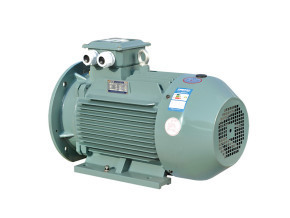
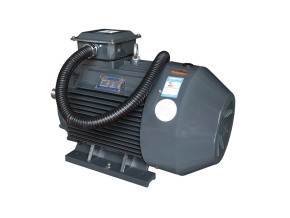
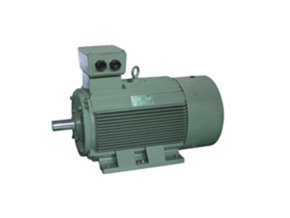
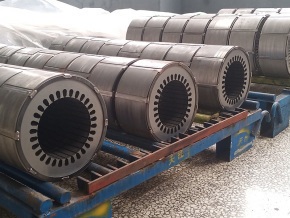
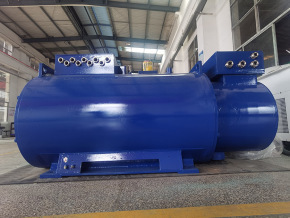
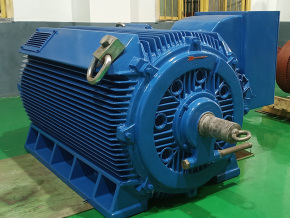
Permanent magnet motors are electric motors that use permanent magnets to create a magnetic field, which drives the rotor. Unlike traditional motors, which often rely on electromagnets, PMMs offer a more efficient means of converting electrical energy into mechanical energy. This efficiency has made them increasingly popular in various industries, particularly in transportation, where energy consumption and emissions are critically important.
The design of permanent magnet motors allows for a more compact and lightweight structure, making them ideal for applications where space and weight are at a premium, such as in electric vehicles and aerospace technologies.
2. The Mechanics of PMMs: How They Work
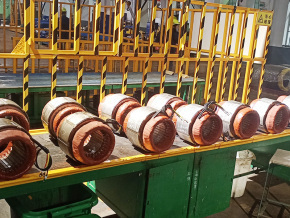
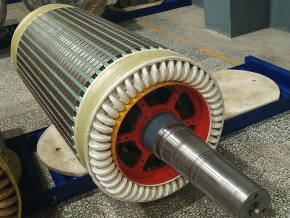
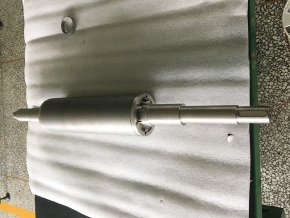
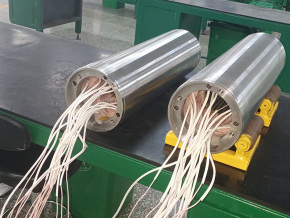
At the core of a permanent magnet motor is its rotor, which is embedded with permanent magnets. When an electric current flows through the stator winding, it generates a magnetic field that interacts with the magnets on the rotor, causing it to spin. This design not only enhances the efficiency of the motor but also eliminates the need for additional components such as brushes and commutators, leading to lower wear and tear.
**Advantages of this mechanism** include:
- **High torque at low speeds**, making PMMs suitable for applications requiring immediate acceleration.
- **Smooth operation** with less noise compared to traditional motors, enhancing user experience in passenger transport.
3. Advantages of Using Permanent Magnet Motors in Transportation
The adoption of permanent magnet motors in transportation offers myriad benefits that support sustainability goals and address the industry's pressing challenges. Here are some of the key advantages:
3.1. Enhanced Efficiency and Performance
Permanent magnet motors exhibit superior efficiency rates, often exceeding 90%. This high level of efficiency means that less energy is wasted, allowing for longer operational ranges in electric vehicles and reduced energy consumption across various transport systems.
3.2. Reduced Weight and Size
PMMs are notably smaller and lighter than their traditional counterparts. This reduction in size and weight not only improves the overall energy efficiency of vehicles but also contributes to better handling and performance, particularly in electric cars and aircraft.
3.3. Lower Maintenance Costs
With fewer moving parts and no brushes to replace, permanent magnet motors require significantly less maintenance. This reliability translates into lower operational costs and increased uptime, which is crucial for commercial transport operations.
4. Applications of Permanent Magnet Motors in Various Transport Methods
The versatility of permanent magnet motors allows them to find applications across a wide range of transportation modalities. Here are some notable areas where PMMs are making an impact:
4.1. Electric Vehicles (EVs)
In the electric vehicle sector, PMMs have become the standard due to their high efficiency and power density. Major manufacturers are increasingly integrating these motors into their designs, leading to faster charging times and longer driving ranges, which make EVs more appealing to consumers.
4.2. Trains and Rail Systems
Rail systems are also benefitting from permanent magnet technology. Trains equipped with PMMs experience greater traction and acceleration capabilities, which can enhance efficiency and reduce travel times. Additionally, the lower energy consumption contributes to a smaller carbon footprint for rail transport.
4.3. Maritime Transport
In maritime applications, PMMs are being used to power electric and hybrid vessels. These motors offer operational benefits such as reduced fuel consumption and minimized emissions, addressing environmental concerns in shipping and boating industries.
4.4. Drones and Other Emerging Technologies
As drone technology evolves, PMMs play a crucial role in powering these devices. Their lightweight and efficient design make them ideal for both commercial and recreational drones, contributing to advancements in logistics, surveying, and entertainment.
5. The Environmental Impact of PMMs in Transport
The integration of permanent magnet motors into transportation systems has the potential to substantially lower greenhouse gas emissions. By replacing traditional fossil fuel engines with electric systems powered by PMMs, we can achieve significant reductions in carbon footprints.
This shift not only aids in meeting global emission reduction targets but also aligns with consumer demand for greener alternative solutions. As nations strive to comply with stricter environmental regulations, the adoption of PMMs will play a pivotal role in the transition to sustainable transport.
6. Challenges and Considerations in Implementing Permanent Magnet Technology
Despite the numerous advantages, the transition to permanent magnet motors is not without challenges.
**Some key considerations include:**
- **Cost of Rare Earth Materials**: Permanent magnets often rely on rare earth elements, which can be costly and pose supply chain vulnerabilities.
- **Recycling and Disposal Issues**: The lifecycle management of PMMs requires careful planning to minimize environmental impacts associated with rare earth materials.
- **Technological Adaptation**: Existing infrastructure may require significant updates to accommodate PMM technology, which could hinder widespread adoption.
7. Future Trends and Innovations in PMM Technology
Looking ahead, we can anticipate several exciting trends in the field of permanent magnet motors.
- **Advancements in Material Science**: Research into alternative materials for magnets could alleviate supply chain issues and reduce costs.
- **Integration with Smart Technologies**: The incorporation of artificial intelligence and IoT technologies will enhance the efficiency and functionality of PMMs, enabling smarter transport solutions.
- **Broader Applications**: As technology matures, we can expect PMMs to be integrated into more sectors beyond transportation, including industrial applications and renewable energy systems.
8. FAQs about Permanent Magnet Motors
**Q1: What are the main advantages of permanent magnet motors over traditional motors?**
A1: PMMs offer higher efficiency, lower maintenance costs, reduced weight, and improved performance, making them ideal for modern transportation needs.
**Q2: Are permanent magnet motors eco-friendly?**
A2: Yes, PMMs help reduce carbon emissions, especially when powered by renewable energy sources, contributing to a smaller carbon footprint in transportation.
**Q3: What industries can benefit from permanent magnet motors?**
A3: Industries such as automotive, rail, maritime, and aerospace can significantly benefit from using PMMs in their operations.
**Q4: What challenges do we face in the widespread adoption of PMMs?**
A4: Key challenges include the cost of materials, recycling issues, and the need for upgrading existing infrastructure.
**Q5: How does PMM technology impact electric vehicle performance?**
A5: PMMs enhance the efficiency and power of electric vehicles, leading to longer ranges and quicker acceleration, which enhances overall performance.
9. Conclusion
Permanent magnet motors represent a transformative technology in the quest to reduce the carbon footprint of the transportation sector. With their high efficiency, reduced weight, and lower maintenance requirements, PMMs are poised to play an essential role in the future of sustainable transport. As we continue to advance in material science and technology, the impact of permanent magnet motors will only grow, paving the way for a cleaner, more efficient transportation landscape. Embracing this innovation can lead to significant environmental benefits and contribute to the global transition toward eco-friendly transport solutions.
recommend News

Wu Dejun: General Manager
Hu Pengbin: Marketing Director
Production site:
No.28, Huaiying Road, Gaoqiao Town, Changsha City, Hunan Province
Zip Code: 410145
Telephone:0731-86156236
ZhenHua Packing Machinery
Online consultation
Leave a message quickly and our experts will contact you
ZhenHua Packing Machinery
Business License

SAF Coolest v1.3.1.2 设置面板 GAGSD-ZGYF-JESSE-ZEA
无数据提示
Sorry, the current column is being updated, please look forward to it!
You can view other columns or returnHome Page