




Revolutionizing Transportation: Innovative Uses of Permanent Magnet Motors in Other Transportation Equipment
2026-08-17

Revolutionizing Transportation: Innovative Uses of Permanent Magnet Motors in Other Transportation Equipment
Table of Contents
- 1. Introduction to Permanent Magnet Motors
- 2. What Are Permanent Magnet Motors?
- 3. Benefits of Permanent Magnet Motors in Transportation
- 4. Applications in Other Transportation Equipment
- 5. Case Studies of Permanent Magnet Motors in Use
- 6. Future Trends in Permanent Magnet Motor Technology
- 7. Challenges and Solutions in Implementing Permanent Magnet Motors
- 8. Conclusion: The Future of Transportation with Permanent Magnet Motors
- 9. FAQs
1. Introduction to Permanent Magnet Motors
The transportation sector is on the brink of a technological revolution, with **permanent magnet motors** taking center stage. These motors are increasingly being recognized for their efficiency and versatility in various transportation equipment. Unlike traditional motors, permanent magnet motors utilize magnets to create a magnetic field, resulting in higher efficiency, reduced size, and enhanced performance. This article explores the innovative uses of these motors in other transportation equipment, highlighting their significance and transformative potential.
2. What Are Permanent Magnet Motors?
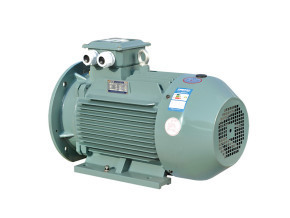
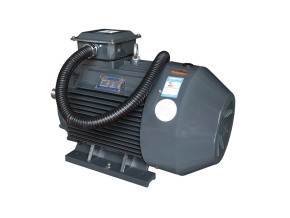
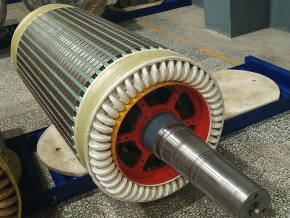
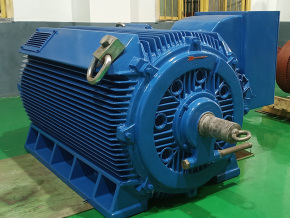
Permanent magnet motors are electrical motors that use permanent magnets to generate magnetic fields. These motors fall into various categories, including **brushless DC motors** and **synchronous motors**, each offering unique advantages. The construction of these motors involves permanent magnets, typically made from materials like neodymium, which provide a strong magnetic field without the need for additional power sources.
The Mechanism of Permanent Magnet Motors
The operational mechanism of permanent magnet motors revolves around electromagnetic principles. As the current flows through the motor windings, it interacts with the magnetic field produced by the permanent magnets, causing the rotor to spin. This process results in a highly efficient and compact design, making these motors ideal for various applications in transportation equipment.
3. Benefits of Permanent Magnet Motors in Transportation
The advantages of incorporating permanent magnet motors in transportation equipment are substantial. Here are some key benefits:
High Efficiency and Performance
Permanent magnet motors boast efficiency rates exceeding 90%, significantly reducing energy consumption compared to traditional motors. This efficiency translates to lower operational costs and a smaller carbon footprint.
Compact Size and Lightweight Design
Due to their design, permanent magnet motors are generally smaller and lighter than their traditional counterparts. This compactness allows for flexibility in transportation equipment design, enabling manufacturers to create more efficient systems.
Low Maintenance Requirements
Without brushes to wear out, permanent magnet motors require less maintenance, resulting in reduced downtime and lower long-term costs for transportation companies.
Greater Torque at Low Speeds
The ability to generate high torque at low speeds enhances the performance of vehicles and equipment, making them more responsive and efficient in various operational scenarios.
Environmentally Friendly
Permanent magnet motors contribute to reducing emissions in the transportation industry, aligning with global sustainability goals. Their efficiency reduces energy consumption, leading to lower greenhouse gas emissions.
4. Applications in Other Transportation Equipment
Permanent magnet motors are finding applications across a wide range of transportation equipment beyond traditional vehicles. Here are some innovative uses:
Electric Bicycles
The use of permanent magnet motors in electric bicycles has revolutionized personal transport. These motors provide power assistance, enabling cyclists to travel greater distances with less effort, promoting eco-friendly commuting.
Electric Scooters
With the rise of shared mobility solutions, electric scooters equipped with permanent magnet motors offer compact and efficient options for urban transportation. Their lightweight design and high torque contribute to a smoother and more enjoyable riding experience.
Railway Systems
In the railway sector, permanent magnet motors are being integrated into locomotives and other rail vehicles. Their efficiency contributes to lower energy costs and improved performance, making rail transport more attractive as an alternative to road transport.
Marine Applications
Permanent magnet motors are finding their way into marine applications, such as electric propulsion systems for boats and ships. These motors offer reduced noise and emissions, enhancing the environmental sustainability of maritime transport.
Automated Guided Vehicles (AGVs)
AGVs, widely used in warehouses and manufacturing facilities, rely on permanent magnet motors for precise movement and efficiency. These motors enable seamless navigation and operation within confined spaces, streamlining logistics and supply chain processes.
5. Case Studies of Permanent Magnet Motors in Use
Several organizations have successfully implemented permanent magnet motors in their transportation equipment, showcasing the technology's versatility and benefits.
Case Study 1: E-Bikes by XYZ Company
XYZ Company introduced a line of e-bikes powered by permanent magnet motors, resulting in a **30% increase in efficiency** compared to previous models. The lightweight design allowed for a more comfortable ride, attracting a broader customer base.
Case Study 2: Electric Scooters by ABC Corp
ABC Corp's fleet of electric scooters, equipped with permanent magnet motors, achieved a reduction in energy costs by **25%**, demonstrating the cost-saving potential of this technology in urban mobility solutions.
Case Study 3: Green Rail Initiative
The Green Rail Initiative integrated permanent magnet motors into their locomotives, leading to a **40% increase in energy efficiency** and significant reductions in emissions, setting a benchmark for sustainable rail transport.
6. Future Trends in Permanent Magnet Motor Technology
As technology evolves, so does the potential of permanent magnet motors in the transportation sector. Key trends to watch include:
Increased Miniaturization
Advancements in materials and manufacturing processes are likely to result in even smaller and more powerful permanent magnet motors, opening new avenues for their application in micro-mobility solutions.
Integration with Renewable Energy Sources
The integration of permanent magnet motors with renewable energy sources, such as solar and wind power, will enhance the sustainability of transportation systems, contributing to a greener future.
Smart Connectivity and IoT Integration
The incorporation of smart technology and the Internet of Things (IoT) will enable better monitoring and control of permanent magnet motors, optimizing performance and maintenance through data analytics.
7. Challenges and Solutions in Implementing Permanent Magnet Motors
Despite their numerous advantages, the adoption of permanent magnet motors in transportation equipment also presents challenges.
Material Costs and Supply Chain Issues
The production of permanent magnets requires rare earth materials, which can be expensive and subject to supply chain disruptions. Companies are exploring alternative materials and recycling methods to mitigate these challenges.
Heat Management
Efficient heat management is crucial for maintaining performance. Designing effective cooling systems can ensure longevity and reliability in various operational environments.
Technological Adaptation
Many transportation companies may face resistance in transitioning from traditional motors to permanent magnet motors. Education and pilot programs can facilitate this transition by demonstrating the technology's benefits.
8. Conclusion: The Future of Transportation with Permanent Magnet Motors
Permanent magnet motors represent a significant advancement in transportation technology. Their myriad applications, coupled with the benefits of efficiency, compactness, and sustainability, position them as a game-changer in the industry. As we look to the future, continued innovation and adaptation will undoubtedly enhance their role in transforming not just transportation equipment, but also the broader ecosystem of mobility solutions.
9. FAQs
What are the main advantages of permanent magnet motors?
Permanent magnet motors offer high efficiency, low maintenance costs, compact size, and environmentally friendly operations, making them ideal for various transportation applications.
In which transportation sectors are permanent magnet motors being utilized?
They are used in electric bicycles, scooters, railway systems, marine applications, and automated guided vehicles (AGVs).
What challenges do permanent magnet motors face in transportation applications?
Challenges include material costs, heat management, and the need for technological adaptation within traditional systems.
How do permanent magnet motors contribute to sustainability?
By improving energy efficiency and reducing emissions, permanent magnet motors play a crucial role in promoting sustainable transportation solutions.
What future trends can we expect for permanent magnet motors in transportation?
Future trends include increased miniaturization, integration with renewable energy sources, and advancements in smart connectivity and IoT integration.
Previous Page:
recommend News

Wu Dejun: General Manager
Hu Pengbin: Marketing Director
Production site:
No.28, Huaiying Road, Gaoqiao Town, Changsha City, Hunan Province
Zip Code: 410145
Telephone:0731-86156236
ZhenHua Packing Machinery
Online consultation
Leave a message quickly and our experts will contact you
ZhenHua Packing Machinery
Business License

SAF Coolest v1.3.1.2 设置面板 GAGSD-ZGYF-JESSE-ZEA
无数据提示
Sorry, the current column is being updated, please look forward to it!
You can view other columns or returnHome Page