




Understanding the Technology Behind High-Efficiency Motors: A Deep Dive into Innovation and Sustainability
2026-05-16

Understanding the Technology Behind High-Efficiency Motors
High-efficiency motors play a crucial role in transportation and various industrial sectors, driving performance while minimizing energy consumption. As we delve into the intricacies of these motors, we’ll explore how they have revolutionized the way we think about energy efficiency and sustainability.
Table of Contents
1. Introduction to High-Efficiency Motors
2. The Importance of Energy Efficiency in Transportation
3. How High-Efficiency Motors Work
3.1 Components of High-Efficiency Motors
3.2 Design Principles and Innovations
4. Benefits of High-Efficiency Motors
4.1 Environmental Impact
4.2 Economic Advantages
5. Applications of High-Efficiency Motors
5.1 Use in Electric Vehicles
5.2 Integration into Industrial Machinery
6. Future Trends in High-Efficiency Motor Technology
7. FAQs about High-Efficiency Motors
8. Conclusion
1. Introduction to High-Efficiency Motors
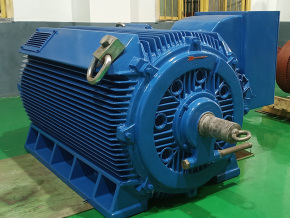
High-efficiency motors are designed to convert electrical energy into mechanical energy with minimal losses. These motors are pivotal in addressing the challenges posed by climate change and the rising costs of energy. Their design optimizes performance while significantly reducing energy consumption, making them a staple in various applications ranging from manufacturing to transportation.
2. The Importance of Energy Efficiency in Transportation
As global demand for energy rises, the need for efficient transportation systems becomes more critical. **High-efficiency motors** contribute to reducing greenhouse gas emissions and improving energy conservation. By utilizing innovative technologies, these motors enhance the operational efficiency of vehicles, ultimately leading to reduced fuel consumption and lower operating costs.
3. How High-Efficiency Motors Work
Understanding the mechanics of high-efficiency motors is essential for appreciating their value.
3.1 Components of High-Efficiency Motors
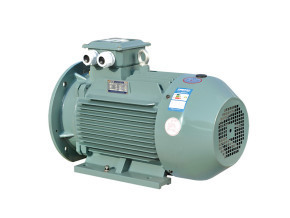
High-efficiency motors typically consist of several key components, including:
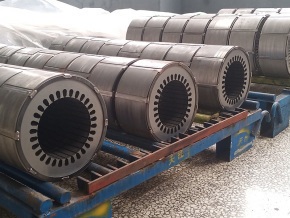
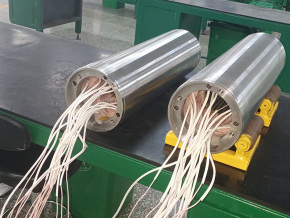
- **Stator**: The stationary part of the motor that generates a magnetic field.
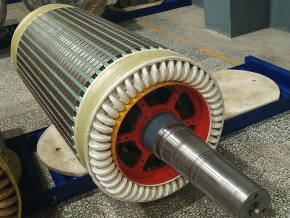
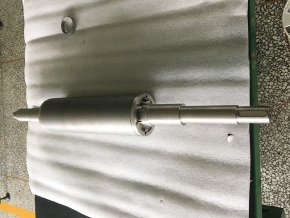
- **Rotor**: The rotating part that receives energy from the stator.
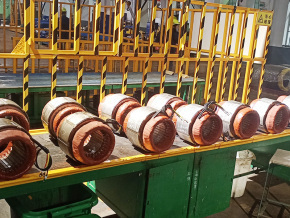
- **Windings**: Copper or aluminum coils that create magnetic fields when electricity flows through them.
- **Bearings**: Components that reduce friction between moving parts.
Each of these components plays a vital role in ensuring the motor operates efficiently and effectively.
3.2 Design Principles and Innovations
Several design innovations contribute to the efficiency of modern motors. For instance, **permanent magnet technology** significantly enhances efficiency by using magnets in the rotor instead of relying solely on electromagnetic induction. **High-performance materials**, such as laminated iron cores and advanced insulation, reduce energy losses, contributing to overall motor efficiency.
4. Benefits of High-Efficiency Motors
The adoption of high-efficiency motors brings a multitude of benefits across various sectors.
4.1 Environmental Impact
High-efficiency motors drastically lower energy consumption, leading to reduced carbon footprints. By minimizing waste energy in the form of heat, these motors help decrease the environmental impact of energy production.
4.2 Economic Advantages
Incorporating high-efficiency motors can lead to significant cost savings. Lower energy consumption translates to reduced electricity bills, making them an economically sound investment. Moreover, many governments offer incentives to businesses that adopt energy-efficient technologies, further enhancing the economic appeal.
5. Applications of High-Efficiency Motors
High-efficiency motors are versatile and find applications in various domains.
5.1 Use in Electric Vehicles
The rise of electric vehicles (EVs) has accelerated the demand for high-efficiency motors. These motors power the drive systems in EVs, delivering instant torque and smooth acceleration while maximizing battery life. The use of high-efficiency motors in EVs not only enhances performance but also supports the transition to a sustainable transportation model.
5.2 Integration into Industrial Machinery
In industrial settings, high-efficiency motors are utilized in various applications, including conveyor systems, pumps, and fans. Their ability to operate at peak efficiency results in reduced energy costs and enhanced operational productivity.
6. Future Trends in High-Efficiency Motor Technology
As technology advances, we can expect further innovations in high-efficiency motors. Trends such as **smart motor technology** are emerging, enabling better monitoring and control of motor performance. Additionally, the integration of **artificial intelligence** in motor design may lead to even more refined energy-saving capabilities.
7. FAQs about High-Efficiency Motors
**Q1: What defines a high-efficiency motor?**
A: High-efficiency motors are defined by their ability to convert electricity into mechanical energy with minimal losses, typically achieving efficiency ratings above 90%.
**Q2: How do high-efficiency motors differ from standard motors?**
A: High-efficiency motors use advanced materials and design principles that reduce energy losses compared to standard motors, resulting in better overall performance and lower energy consumption.
**Q3: Are high-efficiency motors more expensive?**
A: While the initial cost of high-efficiency motors may be higher, the long-term savings in energy costs often outweigh the upfront investment.
**Q4: Can high-efficiency motors be retrofitted into existing systems?**
A: Yes, many high-efficiency motors are designed to fit into existing systems, allowing for easy upgrades to enhance energy efficiency without substantial modifications.
**Q5: What industries benefit the most from high-efficiency motors?**
A: Industries such as manufacturing, transportation, and HVAC systems benefit significantly from high-efficiency motors due to their energy savings and improved operational efficiency.
8. Conclusion
High-efficiency motors represent a significant advancement in technology, providing solutions to the pressing challenges of energy consumption and environmental impact. Their ability to optimize performance while minimizing energy losses makes them essential in modern transportation and industrial applications. As we move toward a more sustainable future, understanding and embracing the technology behind high-efficiency motors will be vital in driving innovation and efficiency across various sectors.
recommend News

Wu Dejun: General Manager
Hu Pengbin: Marketing Director
Production site:
No.28, Huaiying Road, Gaoqiao Town, Changsha City, Hunan Province
Zip Code: 410145
Telephone:0731-86156236
ZhenHua Packing Machinery
Online consultation
Leave a message quickly and our experts will contact you
ZhenHua Packing Machinery
Business License

SAF Coolest v1.3.1.2 设置面板 GAGSD-ZGYF-JESSE-ZEA
无数据提示
Sorry, the current column is being updated, please look forward to it!
You can view other columns or returnHome Page