




The Role of Industrial Permanent Magnet Motors in Modern Transportation Solutions
2026-05-12

The Role of Industrial Permanent Magnet Motors in Modern Transportation Solutions
Introduction to Permanent Magnet Motors
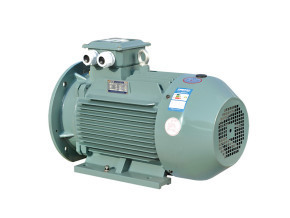
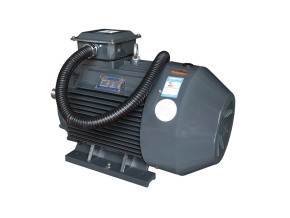
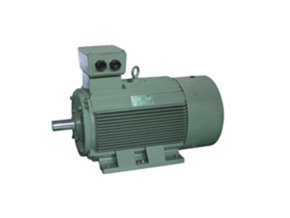
Industrial permanent magnet motors (PM motors) have revolutionized the way we approach transportation solutions in recent years. These high-efficiency motors utilize magnetic fields generated by permanent magnets to produce motion, setting themselves apart from traditional induction motors. The growing demand for sustainable and energy-efficient transportation systems has positioned PM motors as pivotal components in numerous applications, from electric vehicles (EVs) to rail systems.
The Evolution of Transportation Technologies
Transportation has undergone significant transformations over the last century, shifting from fossil fuel reliance to more sustainable options. The advent of electric vehicles and hybrid systems has sparked considerable interest in using permanent magnet motors, which offer superior performance and efficiency. Understanding the evolution of these technologies is crucial to appreciate the role PM motors play in modern transportation.
Historical Context of Transportation Solutions
Initially, transportation solutions relied heavily on internal combustion engines, which were efficient but generated significant emissions. As environmental concerns mounted, there was a growing push for cleaner alternatives. The rise of electric vehicles marked a turning point, leading to the integration of PM motors, which provided higher torque densities and efficiency compared to traditional motors.
Emergence of Electric and Hybrid Vehicles
The shift towards electric and hybrid vehicles has seen an increase in the adoption of permanent magnet motors. These vehicles require components that are not only efficient but also lightweight. PM motors meet these criteria, offering excellent power-to-weight ratios that enhance vehicle performance while reducing energy consumption.
Advantages of Industrial Permanent Magnet Motors
The unique construction and design of industrial permanent magnet motors yield numerous advantages that are particularly beneficial in modern transportation applications.
High Efficiency and Performance
One of the standout features of PM motors is their high efficiency, often exceeding 90%. This efficiency translates into better energy use, ultimately leading to lower operational costs. The ability to operate at a wide range of speeds without a significant loss of performance makes PM motors ideal for various applications, from buses to trains.
Compact and Lightweight Design
PM motors are typically more compact than their induction counterparts, allowing for greater design flexibility. Their lightweight nature contributes to the overall reduction in vehicle weight, which is crucial in enhancing fuel efficiency, especially in electric vehicles where every gram counts.
Low Maintenance Requirements
With fewer moving parts than traditional motors, permanent magnet motors require less maintenance, reducing downtime and operational costs. The longevity of these motors is advantageous as well, ensuring that transportation systems remain reliable and efficient over extended periods.
Environmental Benefits
The world is increasingly prioritizing sustainability, and PM motors align perfectly with this goal. Their efficiency leads to lower energy consumption and reduced emissions, making them a fundamental component in the transition towards greener transportation systems.
Applications of Industrial Permanent Magnet Motors in Transportation
The versatility of PM motors has led to their widespread use across various segments of the transportation industry.
Electric Vehicles (EVs)
PM motors play a critical role in the drive systems of electric vehicles. They enable rapid acceleration and smooth operation while maximizing battery life. The integration of PM motors in EVs is crucial in addressing range anxiety, a common concern among potential electric vehicle buyers.
Rail Transportation
In rail systems, PM motors are used to drive electric trains, enhancing their efficiency and performance. These motors facilitate regenerative braking, allowing trains to recover energy during braking and improve overall energy efficiency.
Marine Applications
The marine industry has begun to adopt PM motors for various applications, including electric propulsion systems for boats and ships. These motors help reduce fuel consumption and emissions, aligning with maritime regulations aimed at environmental protection.
Industrial Vehicles and Equipment
In addition to passenger transport, industrial vehicles such as forklifts and automated guided vehicles (AGVs) are increasingly utilizing PM motors. Their efficiency and low maintenance requirements enhance operational productivity in warehouses and manufacturing environments.
Challenges and Considerations
While the benefits of permanent magnet motors are significant, certain challenges must be addressed to fully integrate them into transportation solutions.
Cost of Production
The initial cost of manufacturing PM motors can be higher than that of traditional motors due to the use of rare earth materials. As demand increases, exploring alternative materials and production methods will be crucial to optimizing costs without compromising performance.
Supply Chain Considerations
The reliance on rare earth materials for PM motor production raises concerns about supply chain stability. Diversifying sourcing options and investing in recycling technologies will be essential for creating a sustainable supply chain.
Technical Integration
Integrating PM motors into existing transportation systems may require significant technological adjustments. Ensuring compatibility and optimizing control systems will be vital in maximizing the benefits of PM motors.
The Future of Permanent Magnet Motors in Transportation
As technology continues to advance, the role of permanent magnet motors in transportation is expected to grow even further.
Innovations in Motor Design
Research into new designs and materials for PM motors will likely yield even more efficient and powerful solutions. Innovations such as laminated magnets and improved cooling methods could enhance performance and reduce costs.
Integration with Renewable Energy Sources
The integration of PM motors with renewable energy sources, such as solar and wind, could revolutionize transportation. As electric grids become greener, PM motors will play a crucial role in maximizing energy efficiency and minimizing emissions.
Expansion of Infrastructure
As the adoption of electric vehicles and other transportation solutions using PM motors increases, so too will the need for supporting infrastructure, such as charging stations and maintenance facilities. Investing in this infrastructure will be essential for realizing the full potential of PM motors.
Frequently Asked Questions
1. What are permanent magnet motors?
Permanent magnet motors are electric motors that use magnets to generate motion. They are known for their efficiency and compact design.
2. How do PM motors differ from traditional motors?
PM motors differ from traditional induction motors primarily in their construction and efficiency. While induction motors rely on electromagnetic fields generated by coils, PM motors use permanent magnets to produce motion.
3. What are the benefits of using PM motors in electric vehicles?
The benefits of using PM motors in electric vehicles include high efficiency, lower weight, compact size, and reduced maintenance needs, which collectively enhance vehicle performance.
4. Are there any challenges associated with PM motors?
Yes, challenges include the higher initial production costs and reliance on rare earth materials, which can complicate supply chains.
5. What is the future of PM motors in transportation?
The future of PM motors in transportation looks promising, with advancements in technology, increased integration with renewable energy sources, and expanded infrastructure support expected to drive further adoption.
Conclusion
In conclusion, industrial permanent magnet motors are setting a new standard in modern transportation solutions. By enhancing efficiency, reducing emissions, and providing innovative applications across various sectors, these motors are crucial to advancing sustainable transport systems. As we continue to innovate and adapt, the role of PM motors will only grow, paving the way for a cleaner, more efficient future in transportation. Embracing these technologies is essential for navigating the challenges of tomorrow while ensuring a sustainable environment for generations to come.
recommend News

Wu Dejun: General Manager
Hu Pengbin: Marketing Director
Production site:
No.28, Huaiying Road, Gaoqiao Town, Changsha City, Hunan Province
Zip Code: 410145
Telephone:0731-86156236
ZhenHua Packing Machinery
Online consultation
Leave a message quickly and our experts will contact you
ZhenHua Packing Machinery
Business License

SAF Coolest v1.3.1.2 设置面板 GAGSD-ZGYF-JESSE-ZEA
无数据提示
Sorry, the current column is being updated, please look forward to it!
You can view other columns or returnHome Page