




How High-Efficiency Motors Contribute to Sustainable Transportation
2026-04-18

How High-Efficiency Motors Contribute to Sustainable Transportation
Introduction to High-Efficiency Motors and Sustainable Transportation
In today's world, the urgency for sustainable transportation has never been more critical. The conventional transportation sector contributes significantly to greenhouse gas emissions, pushing the need for innovative solutions. One of these solutions is the implementation of **high-efficiency motors**. These motors not only enhance performance but also drive the shift toward greener alternatives. In this article, we will explore the various aspects of high-efficiency motors and how they promote sustainable transportation.
Understanding High-Efficiency Motors
What Are High-Efficiency Motors?
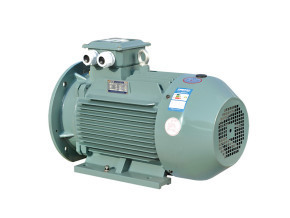
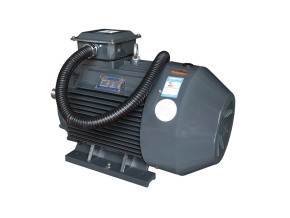
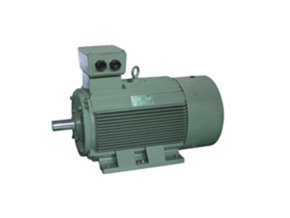
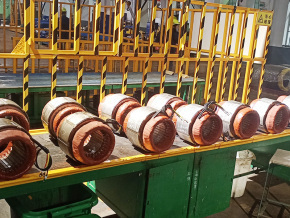
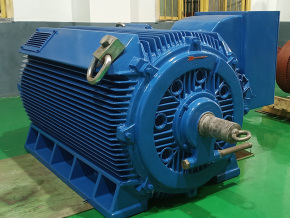
High-efficiency motors are designed to convert electrical energy into mechanical energy with minimal losses. They achieve this by utilizing advanced materials, optimized designs, and innovative manufacturing technologies. The increased efficiency translates into lower energy consumption and reduced operational costs.
Types of High-Efficiency Motors
Several types of high-efficiency motors are prevalent in the transportation sector:
1. **Permanent Magnet Synchronous Motors (PMSMs)**: These motors use permanent magnets to create a magnetic field, resulting in high efficiency and compact designs.
2. **Induction Motors**: Widely used in electric vehicles (EVs), these motors are known for their durability and performance in various conditions.
3. **Brushless DC Motors**: These motors provide high torque and are commonly found in electric bicycles and scooters.
The Role of High-Efficiency Motors in Sustainable Transportation
Reducing Energy Consumption
High-efficiency motors consume significantly less energy compared to their conventional counterparts. By improving energy conversion efficiency, these motors play a crucial role in reducing the overall energy demand of transportation systems. This not only decreases operational costs for businesses but also mitigates environmental impacts.
Minimizing Carbon Footprint
The transportation industry is a major contributor to greenhouse gas emissions. High-efficiency motors, especially in electric vehicles, help to lower carbon footprints by reducing the electricity required for operation. The cleaner energy used to power these motors leads to a significant reduction in harmful emissions, contributing to cleaner air and healthier communities.
Enhancing Vehicle Performance
High-efficiency motors provide superior torque and speed control, enhancing vehicle performance. Electric vehicles equipped with these motors can accelerate quicker and maintain higher speeds without consuming excess energy. This performance efficiency translates to a more enjoyable driving experience while promoting sustainable practices.
Technological Innovations Driving High-Efficiency Motors
Advanced Materials and Design
The development of high-efficiency motors has been accelerated by advancements in materials science. For instance, the use of lightweight materials, such as advanced composites and high-strength alloys, reduces the overall weight of motors, improving efficiency. Innovative designs, such as better rotor configurations, also contribute to enhanced performance.
Smart Motor Control Systems
Modern high-efficiency motors are often integrated with intelligent control systems. These systems optimize power usage by adjusting motor performance according to real-time conditions. By intelligently managing energy consumption, they ensure that motors operate at peak efficiency, further driving down energy costs and enhancing sustainability.
Applications of High-Efficiency Motors in Transportation
Electric Vehicles (EVs)
The most prominent application of high-efficiency motors is in electric vehicles. These motors are integral to the performance of EVs, enabling them to operate efficiently and sustainably. With the growing popularity of EVs, manufacturers are increasingly incorporating high-efficiency motors to enhance energy savings and reduce emissions.
Rail Transportation
High-efficiency motors are also utilized in rail systems, including light rail and freight trains. By improving energy efficiency, these motors contribute to a more sustainable public transportation system, allowing for reduced fares and a smaller ecological footprint.
Public Transit Buses
Electric buses equipped with high-efficiency motors are transforming urban public transport. They not only reduce operating costs for transit authorities but also provide passengers with a quieter and more comfortable ride, promoting a shift away from diesel-powered buses.
Challenges and Considerations in Implementing High-Efficiency Motors
Initial Investment Costs
While high-efficiency motors offer long-term savings, the initial investment can be a significant barrier for some businesses. The cost of manufacturing and integrating these advanced motors can be higher compared to traditional options, posing challenges for widespread adoption.
Infrastructure Requirements
The transition to high-efficiency motors, particularly in electric vehicles, requires supportive infrastructure. This includes charging stations, power grid enhancements, and maintenance facilities tailored to handle advanced motor technologies. Without proper infrastructure, the benefits of high-efficiency motors could be undermined.
The Future of High-Efficiency Motors in Sustainable Transportation
Emerging Trends and Developments
The future of high-efficiency motors is promising, with several trends currently shaping the landscape. The ongoing research in battery technology, coupled with advancements in materials and smart motor systems, is expected to propel the capabilities of high-efficiency motors further. Moreover, as the demand for sustainable transportation grows, investment in these technologies will likely increase, opening up new opportunities for innovation.
Government Policies and Incentives
Governmental support plays a crucial role in accelerating the adoption of high-efficiency motors. Policies that promote electric vehicles, provide subsidies, and encourage research and development can further enhance the transition to sustainable transportation. As governments worldwide strive for carbon neutrality, high-efficiency motors will undoubtedly be a focal point in achieving these goals.
Conclusion
High-efficiency motors represent a significant advancement in the quest for sustainable transportation. By reducing energy consumption, minimizing carbon footprints, and enhancing vehicle performance, these motors are paving the way for a cleaner, greener future. As technology continues to evolve and governments support sustainable initiatives, the role of high-efficiency motors will only grow more critical in our transportation systems. Embracing these innovations will not only benefit individual consumers but also contribute to a healthier planet for future generations.
FAQs
What are the main benefits of high-efficiency motors in transportation?
High-efficiency motors reduce energy consumption, minimize carbon footprints, and enhance overall vehicle performance, contributing to a more sustainable transportation sector.
How do high-efficiency motors help in reducing emissions?
By consuming less energy, high-efficiency motors lower the demand for electricity, especially when powered by renewable sources, thus reducing greenhouse gas emissions.
Are high-efficiency motors more expensive than traditional motors?
Yes, the initial cost of high-efficiency motors can be higher, but they offer long-term savings through reduced energy consumption and maintenance costs.
What types of vehicles use high-efficiency motors?
High-efficiency motors are commonly found in electric vehicles, public transit buses, and rail transportation systems.
How can government policies impact the adoption of high-efficiency motors?
Government policies that provide incentives for electric vehicle adoption, funding for infrastructure development, and support for research can significantly boost the implementation of high-efficiency motors in transportation.
Previous Page:
recommend News

Wu Dejun: General Manager
Hu Pengbin: Marketing Director
Production site:
No.28, Huaiying Road, Gaoqiao Town, Changsha City, Hunan Province
Zip Code: 410145
Telephone:0731-86156236
ZhenHua Packing Machinery
Online consultation
Leave a message quickly and our experts will contact you
ZhenHua Packing Machinery
Business License

SAF Coolest v1.3.1.2 设置面板 GAGSD-ZGYF-JESSE-ZEA
无数据提示
Sorry, the current column is being updated, please look forward to it!
You can view other columns or returnHome Page