




Exploring the Advantages of Using Permanent Magnet Motors in Transportation Systems
2026-04-14

Exploring the Advantages of Using Permanent Magnet Motors in Transportation Systems
Table of Contents
- Introduction to Permanent Magnet Motors
- What Are Permanent Magnet Motors?
- Key Benefits of Permanent Magnet Motors in Transportation
- 1. Energy Efficiency and Sustainability
- 2. Reduced Maintenance Costs
- 3. Compact Design and Lightweight Characteristics
- 4. High Performance and Torque Output
- 5. Positive Environmental Impact
- Applications of Permanent Magnet Motors in Transportation Systems
- 1. Electric Vehicles (EVs)
- 2. Trains and Mass Transit Systems
- 3. Marine Applications
- 4. Aerospace Transportation
- The Future of Permanent Magnet Motors in Transportation
- Frequently Asked Questions
- Conclusion
Introduction to Permanent Magnet Motors
The transportation industry is undergoing a profound transformation with the advent of advanced technologies. One of the most significant innovations is the use of permanent magnet motors (PMMs). These motors are gaining traction in various sectors, from electric vehicles (EVs) to trains and marine applications. This article explores the numerous advantages of utilizing permanent magnet motors, showcasing their potential to reshape the future of transportation systems.
What Are Permanent Magnet Motors?
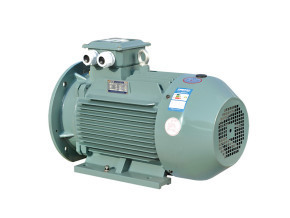
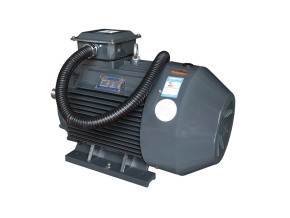
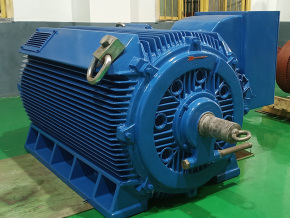
Permanent magnet motors are electric motors that use permanent magnets to generate magnetic fields. Unlike traditional motors that rely on electromagnets, PMMs provide a more efficient and effective means of converting electrical energy into mechanical energy. Their design allows for superior performance, making them increasingly popular in transportation applications.
Key Benefits of Permanent Magnet Motors in Transportation
1. Energy Efficiency and Sustainability
One of the standout features of permanent magnet motors is their energy efficiency. PMMs can achieve higher efficiencies than conventional motors, often exceeding 90%. This high efficiency not only reduces energy consumption but also translates to lower operational costs. In a world increasingly focused on sustainability, the adoption of PMMs can significantly reduce the carbon footprint of transportation systems by minimizing energy waste.
2. Reduced Maintenance Costs
Permanent magnet motors have fewer moving parts than traditional motors, resulting in lower wear and tear. This simplicity translates to reduced maintenance requirements and lower operational expenditures over the motor's lifespan. For transportation systems, this means less downtime and more reliable performance, ultimately leading to increased productivity.
3. Compact Design and Lightweight Characteristics
The compact nature of permanent magnet motors makes them suitable for various applications, particularly where space is a premium, such as in electric vehicles and aircraft. Their lightweight design contributes to overall vehicle weight reduction, enhancing efficiency and performance. The ability to integrate PMMs into tighter spaces without sacrificing power output is a crucial advantage in modern transportation design.
4. High Performance and Torque Output
PMMs are known for their high torque output, even at low speeds. This characteristic is especially valuable in transportation applications that require quick acceleration, such as electric cars and trains. The immediate torque response enhances vehicle performance, ensuring a smooth and efficient ride for passengers.
5. Positive Environmental Impact
As the transportation industry seeks to mitigate its environmental impact, the switch to permanent magnet motors represents a significant step forward. Their energy efficiency leads to reduced greenhouse gas emissions, while their potential for integration into renewable energy systems makes them a sustainable choice. By minimizing reliance on fossil fuels, PMMs support a cleaner and greener future for transportation.
Applications of Permanent Magnet Motors in Transportation Systems
1. Electric Vehicles (EVs)
The most notable application of permanent magnet motors is in electric vehicles. PMMs power a vast majority of electric car models due to their efficiency, compact design, and performance capabilities. They enable EVs to achieve longer ranges while minimizing battery size, addressing one of the significant concerns consumers have regarding electric mobility.
2. Trains and Mass Transit Systems
Permanent magnet motors are also utilized in trains and mass transit systems. They provide a reliable and efficient means of propulsion, enhancing the speed and energy efficiency of these modes of transport. The use of PMMs in high-speed trains has revolutionized rail travel, enabling faster journeys with lower energy consumption.
3. Marine Applications
In the marine sector, permanent magnet motors are increasingly being used to drive electric and hybrid propulsion systems. Their efficiency and compact size make them ideal for various vessels, from ferries to luxury yachts. With the growing emphasis on reducing marine emissions, PMMs offer a viable solution for sustainable maritime operations.
4. Aerospace Transportation
The aerospace industry is exploring the use of permanent magnet motors in electric aircraft and drones. The lightweight and efficient nature of PMMs aligns well with the industry's goals of increasing fuel efficiency and reducing emissions. With the rise of urban air mobility concepts, PMMs could play a pivotal role in shaping the future of air transportation.
The Future of Permanent Magnet Motors in Transportation
The future of permanent magnet motors in transportation looks promising. As technology continues to advance, we can expect even more efficient designs and improved materials that enhance the performance of PMMs. The integration of artificial intelligence in motor control systems may also optimize their efficiency and adaptability to various transportation environments. As the demand for cleaner, more efficient transportation solutions grows, the role of permanent magnet motors will undoubtedly expand.
Frequently Asked Questions
1. What makes permanent magnet motors more efficient than traditional motors?
Permanent magnet motors utilize permanent magnets to create a magnetic field, resulting in higher efficiency and less energy loss compared to traditional motors that rely on electromagnets.
2. Are permanent magnet motors environmentally friendly?
Yes, permanent magnet motors are environmentally friendly due to their high efficiency, which reduces energy consumption and greenhouse gas emissions when integrated into transportation systems.
3. Can permanent magnet motors be used in renewable energy applications?
Absolutely! Permanent magnet motors can be integrated into renewable energy systems, such as wind turbines and solar energy applications, enhancing their efficiency and performance.
4. What are the main challenges of using permanent magnet motors in transportation?
While permanent magnet motors offer numerous advantages, challenges include the cost of rare earth materials used in the magnets and the need for advanced control systems to optimize performance.
5. How do permanent magnet motors contribute to the future of electric vehicles?
Permanent magnet motors enhance the efficiency, performance, and range of electric vehicles, making them a key component in the ongoing development and adoption of sustainable transportation solutions.
Conclusion
Permanent magnet motors are revolutionizing the transportation industry by offering a range of benefits, including enhanced energy efficiency, reduced maintenance costs, and a positive environmental impact. Their applications span multiple sectors, including electric vehicles, trains, marine vessels, and aerospace technology. As we continue to prioritize sustainability and efficiency in transportation, the role of permanent magnet motors will undoubtedly grow, paving the way for a cleaner, more efficient future in the way we move people and goods around the world.
recommend News

Wu Dejun: General Manager
Hu Pengbin: Marketing Director
Production site:
No.28, Huaiying Road, Gaoqiao Town, Changsha City, Hunan Province
Zip Code: 410145
Telephone:0731-86156236
ZhenHua Packing Machinery
Online consultation
Leave a message quickly and our experts will contact you
ZhenHua Packing Machinery
Business License

SAF Coolest v1.3.1.2 设置面板 GAGSD-ZGYF-JESSE-ZEA
无数据提示
Sorry, the current column is being updated, please look forward to it!
You can view other columns or returnHome Page