




Why Choose Industrial Permanent Magnet Motors for Enhanced Efficiency?
2026-03-17

Why Choose Industrial Permanent Magnet Motors for Enhanced Efficiency?
Table of Contents
- 1. Introduction to Industrial Permanent Magnet Motors
- 2. Understanding Permanent Magnet Motors
- 3. Advantages of Permanent Magnet Motors Over Conventional Motors
- 4. Applications of Industrial Permanent Magnet Motors
- 5. Efficiency and Cost Savings of Using Permanent Magnet Motors
- 6. Environmental Impact of Industrial Permanent Magnet Motors
- 7. The Future of Permanent Magnet Motors in Industry
- 8. Frequently Asked Questions
- 9. Conclusion
1. Introduction to Industrial Permanent Magnet Motors
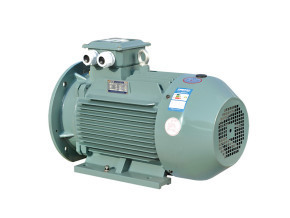
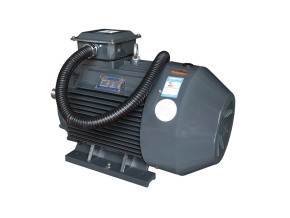
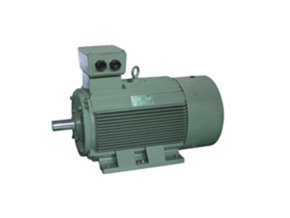
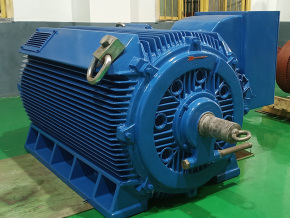
In the realm of industrial equipment, efficiency is paramount. **Industrial permanent magnet motors** have emerged as a revolutionary solution for businesses aiming to optimize their energy consumption and overall performance. These motors utilize strong magnets to create a magnetic field, resulting in a more effective conversion of electrical energy into mechanical energy. As industries evolve, the demand for **highly efficient and reliable motors** has intensified, showcasing the need to understand the substantial benefits of these advanced motor systems.
2. Understanding Permanent Magnet Motors
Permanent magnet motors operate on the principle of electromagnetic induction. Unlike traditional motors that rely on electromagnetic coils, these motors use permanent magnets to generate a magnetic field. This design significantly reduces energy losses associated with coil windings.
The Components of Permanent Magnet Motors
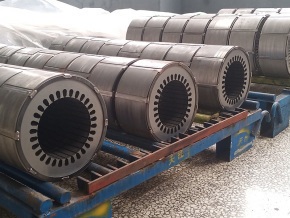
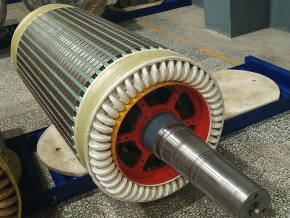
The core components of permanent magnet motors include:
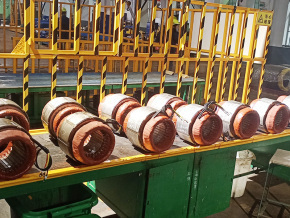
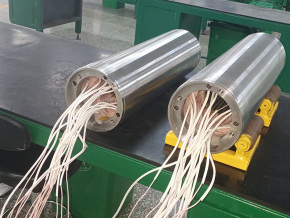
- **Stator:** The stationary part that generates the magnetic field.
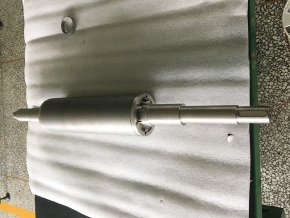
- **Rotor:** The rotating part that interacts with the magnetic field to produce motion.
- **Permanent Magnets:** Typically made from materials such as neodymium or ferrite, these magnets create the necessary magnetic field for the rotor's operation.
Types of Permanent Magnet Motors
Several types of permanent magnet motors are available, including:
- **Brushless DC Motors:** Known for their high efficiency and low maintenance.
- **Synchronous Motors:** Provide constant speed and high torque at various loads.
- **Switched Reluctance Motors:** Offer robust performance in challenging environments.
3. Advantages of Permanent Magnet Motors Over Conventional Motors
The advantages of industrial permanent magnet motors are numerous and impactful.
Enhanced Efficiency
One of the primary benefits is their **enhanced efficiency**. With higher power-to-weight ratios and lower energy losses, these motors can operate at efficiency levels exceeding 90%.
Reduced Maintenance Costs
Since these motors do not require brushes or commutators, they experience less wear and tear, translating to lower maintenance costs and longer operational lifespans.
Compact Design
Permanent magnet motors are typically more compact than their conventional counterparts, allowing for easier integration into existing systems and saving valuable space in industrial settings.
Improved Performance
With superior torque characteristics and faster response times, these motors can handle varying loads more efficiently, making them ideal for dynamic industrial applications.
4. Applications of Industrial Permanent Magnet Motors
Industrial permanent magnet motors find applications across various sectors, showcasing their versatility.
Manufacturing and Automation
In manufacturing, these motors are employed in robotic systems and conveyor belts, where precision and efficiency are critical.
HVAC Systems
Heating, ventilation, and air conditioning (HVAC) systems benefit from the energy efficiency of permanent magnet motors, leading to significant cost reductions.
Electric Vehicles
The automotive industry utilizes these motors for electric vehicles, where their compact size and high efficiency contribute to better range and performance.
Renewable Energy
In renewable energy systems, such as wind turbines and solar trackers, permanent magnet motors play a vital role in maximizing energy capture and conversion.
5. Efficiency and Cost Savings of Using Permanent Magnet Motors
Transitioning to permanent magnet motors can lead to substantial cost savings over time.
Energy Savings
The high efficiency of these motors results in lower energy bills. For industries that operate machinery continuously, even small efficiency gains can accumulate into significant savings.
Operational Reliability
The reduced need for maintenance and longer operational life mean less downtime and lower costs associated with repairs and replacements.
Government Incentives and Grants
Many governments offer incentives for industries to switch to energy-efficient solutions. Adopting permanent magnet motors can potentially qualify businesses for financial benefits, further enhancing cost savings.
6. Environmental Impact of Industrial Permanent Magnet Motors
As industries become more environmentally conscious, the choice of motors plays a crucial role in reducing carbon footprints.
Lower Carbon Emissions
The increased efficiency of permanent magnet motors leads to lower energy consumption, thereby reducing carbon emissions associated with power generation.
Recyclability of Materials
The materials used in permanent magnet motors, especially neodymium and other rare earth magnets, can be recycled and reused, promoting sustainability within industrial practices.
7. The Future of Permanent Magnet Motors in Industry
The future of industrial permanent magnet motors looks promising, with ongoing advancements in technology.
Innovations in Magnet Materials
Research is continually being conducted to develop stronger, more efficient magnet materials, enhancing the performance and reducing the costs associated with permanent magnet motors.
Integration with IoT and Smart Technologies
Future developments will likely see permanent magnet motors being integrated with Internet of Things (IoT) technologies, enabling smarter operations and real-time monitoring of efficiency and performance metrics.
8. Frequently Asked Questions
What is the main advantage of permanent magnet motors?
The main advantage is their high efficiency, which can exceed 90%, leading to reduced energy consumption and operational costs.
Are permanent magnet motors more expensive than conventional motors?
While the initial investment may be higher, the long-term savings from efficiency and reduced maintenance often outweigh the upfront costs.
Can permanent magnet motors be used in high-torque applications?
Yes, permanent magnet motors are well-suited for high-torque applications due to their superior torque characteristics.
What maintenance do permanent magnet motors require?
These motors require minimal maintenance, primarily focusing on regular inspections to ensure optimal performance.
How do permanent magnet motors impact the environment?
They lower energy consumption and carbon emissions, contributing positively to environmental sustainability.
9. Conclusion
Choosing industrial permanent magnet motors is an **intelligent decision** for businesses seeking to enhance efficiency, reduce operational costs, and contribute to environmental sustainability. With their myriad of advantages, including improved performance, reduced maintenance, and significant energy savings, these motors are becoming the go-to solution for various industrial applications. As technology advances, the future of permanent magnet motors appears bright, promising even greater efficiencies and innovations that will drive industries forward. Investing in this cutting-edge technology today not only prepares businesses for tomorrow's challenges but also establishes them as leaders in their respective fields.
recommend News

Wu Dejun: General Manager
Hu Pengbin: Marketing Director
Production site:
No.28, Huaiying Road, Gaoqiao Town, Changsha City, Hunan Province
Zip Code: 410145
Telephone:0731-86156236
ZhenHua Packing Machinery
Online consultation
Leave a message quickly and our experts will contact you
ZhenHua Packing Machinery
Business License

SAF Coolest v1.3.1.2 设置面板 GAGSD-ZGYF-JESSE-ZEA
无数据提示
Sorry, the current column is being updated, please look forward to it!
You can view other columns or returnHome Page