




Top Applications of Industrial Permanent Magnet Motors in the Transport Sector
2026-02-25

Top Applications of Industrial Permanent Magnet Motors in the Transport Sector
Introduction to Industrial Permanent Magnet Motors
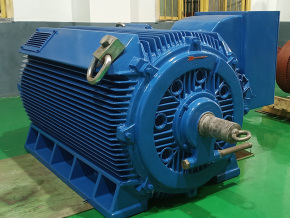
Industrial permanent magnet motors (PMMs) are revolutionizing the transport sector, offering unprecedented efficiency and performance. These motors utilize permanent magnets to generate a magnetic field, providing a robust and reliable power source. As industries prioritize sustainability and energy efficiency, PMMs are rapidly becoming the preferred choice for various transport applications.
The Rise of Electric Transportation
Electric vehicles (EVs) have gained significant traction in recent years, spurred by technological advancements and a global push towards reducing carbon emissions. Permanent magnet motors play a pivotal role in this transition, offering several advantages that are reshaping the automotive landscape.
1. Enhanced Efficiency and Performance
One of the primary benefits of industrial permanent magnet motors is their exceptional efficiency. These motors can achieve efficiencies of over 95%, significantly reducing energy consumption compared to traditional induction motors. This high efficiency translates into longer driving ranges for electric vehicles, thereby addressing one of the major concerns of potential EV owners: range anxiety.
2. Compact and Lightweight Design
Permanent magnet motors are typically smaller and lighter than their induction counterparts. This compactness allows manufacturers to design vehicles with more space for passengers and cargo, improving overall usability. Furthermore, the reduced weight contributes to enhanced performance, as lighter vehicles require less energy to accelerate.
3. Instant Torque and Smooth Operation
The ability of permanent magnet motors to deliver instant torque ensures a smooth driving experience. Unlike traditional motors that require time to build up torque, PMMs provide immediate response, making them ideal for city driving and quick acceleration. This feature enhances the overall driving experience, making electric vehicles more appealing to consumers.
Applications of Permanent Magnet Motors in Various Transport Modes
The versatility of permanent magnet motors makes them suitable for various transport applications. Below, we explore some of the most significant applications in different modes of transportation.
1. Electric Vehicles (EVs)
The automotive industry is witnessing a seismic shift towards electric mobility, and PMMs are at the heart of this transformation. Major automotive manufacturers are integrating these motors into their EV models to enhance performance, efficiency, and overall driving experience. Brands like Tesla and Nissan have successfully utilized PMMs to power their electric fleets.
Benefits of PMMs in Electric Vehicles
- **Regenerative Braking**: PMMs allow for efficient energy recovery during braking, extending the range of EVs.
- **Reduced Maintenance Costs**: With fewer moving parts compared to traditional motors, PMMs require less maintenance, leading to lower ownership costs.
2. Electric Buses and Public Transport Systems
Public transportation systems are increasingly adopting electric buses powered by permanent magnet motors. These vehicles contribute to cleaner air quality in urban areas and provide a cost-effective solution for mass transit.
Impact on Urban Mobility
- **Lower Emissions**: Electric buses powered by PMMs produce zero tailpipe emissions, contributing to a reduction in urban pollution.
- **Operational Efficiency**: The high efficiency of PMMs translates into lower operational costs for transit authorities, making electric buses a financially viable option.
3. High-Speed Trains
High-speed rail systems are another area where permanent magnet motors excel. These trains require powerful, efficient motors to achieve the high speeds necessary for modern rail travel.
Advantages in Rail Transport
- **Reduced Energy Consumption**: PMMs significantly reduce energy costs for rail operators, making high-speed trains more sustainable.
- **Improved Acceleration**: The instant torque provided by PMMs allows for quicker acceleration and reduced travel times.
4. Marine Applications
The maritime industry is also exploring the potential of permanent magnet motors, particularly in electric and hybrid vessels. As regulations tighten around emissions, the need for cleaner propulsion systems becomes paramount.
Benefits for the Marine Sector
- **Fuel Efficiency**: PMMs enhance the efficiency of electric and hybrid marine vessels, resulting in lower fuel costs.
- **Environmental Compliance**: The shift towards electric propulsion aligns with international regulations aimed at reducing emissions from maritime activities.
5. Aerospace Applications
While still in the nascent stages, the aerospace industry is beginning to explore the use of permanent magnet motors in electric aircraft. The potential for reduced weight and increased efficiency could revolutionize air travel.
Potential Benefits for Aviation
- **Sustainability**: Electric aircraft powered by PMMs could drastically reduce carbon footprints in the aviation sector.
- **Operational Cost Savings**: Reduced maintenance and operational costs could make air travel more accessible.
Challenges Facing Permanent Magnet Motors in Transportation
Despite their numerous benefits, the implementation of permanent magnet motors in the transport sector is not without challenges.
1. Cost of Materials
The production of permanent magnet motors often relies on rare earth materials, which can be expensive and subject to market fluctuations. This reliance may impact the overall cost of EVs and other transport applications.
2. Supply Chain Complexity
The supply chain for rare earth materials can be complex, leading to potential bottlenecks in production. Ensuring a steady supply of these materials is critical for the continued development of PMMs.
3. Technological Advancements
Continuous advancements in motor technology are necessary to overcome the current limitations of PMMs, including issues related to heat dissipation and efficiency at high speeds.
Future Trends in Industrial Permanent Magnet Motors
As the transport sector continues to evolve, the future of permanent magnet motors looks promising. Here are some trends that are likely to shape the landscape:
1. Increased Adoption in Heavy-Duty Vehicles
Heavy-duty vehicles, such as trucks and construction equipment, are beginning to adopt permanent magnet motors for their impressive torque and efficiency. This trend is set to grow as manufacturers seek to reduce emissions and improve operational costs.
2. Innovations in Motor Design
Ongoing research and development efforts are focused on enhancing the design of permanent magnet motors. Innovations may include the use of alternative materials to reduce reliance on rare earth elements and improve overall performance.
3. Integration with Smart Technologies
The integration of smart technologies, such as IoT and AI, will enhance the functionality of PMMs in transportation. These technologies can optimize performance, improve maintenance schedules, and enhance user experiences.
Conclusion
Industrial permanent magnet motors are undeniably transforming the transportation sector. With their high efficiency, compact design, and ability to deliver instant torque, these motors are paving the way for a more sustainable future in various transport applications. As technology advances and challenges are addressed, the role of PMMs will undoubtedly expand, making them a cornerstone of the future transportation landscape. Embracing these innovations will not only enhance operational efficiency but also lead to a greener and more sustainable world.
FAQs
1. What are industrial permanent magnet motors?
Industrial permanent magnet motors are electric motors that use permanent magnets to generate a magnetic field, offering high efficiency and performance.
2. How do permanent magnet motors benefit electric vehicles?
They enhance efficiency, provide instant torque, and reduce weight, leading to longer ranges and better performance for electric vehicles.
3. Are there any challenges with using permanent magnet motors?
Challenges include the high cost of rare earth materials, supply chain complexities, and the need for technological advancements.
4. What are some applications of permanent magnet motors in transportation?
Applications include electric vehicles, electric buses, high-speed trains, marine vessels, and potentially in aerospace.
5. What is the future of permanent magnet motors in the transport sector?
The future includes increased adoption in heavy-duty vehicles, innovations in motor design, and integration with smart technologies for enhanced performance.
recommend News

Wu Dejun: General Manager
Hu Pengbin: Marketing Director
Production site:
No.28, Huaiying Road, Gaoqiao Town, Changsha City, Hunan Province
Zip Code: 410145
Telephone:0731-86156236
ZhenHua Packing Machinery
Online consultation
Leave a message quickly and our experts will contact you
ZhenHua Packing Machinery
Business License

SAF Coolest v1.3.1.2 设置面板 GAGSD-ZGYF-JESSE-ZEA
无数据提示
Sorry, the current column is being updated, please look forward to it!
You can view other columns or returnHome Page