




Understanding Rail Transit Motors: Key Insights for the Transportation Industry
2026-03-02

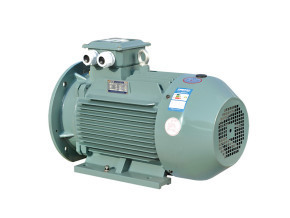
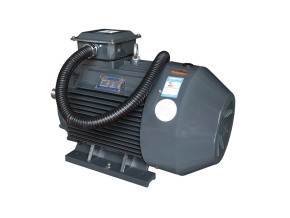
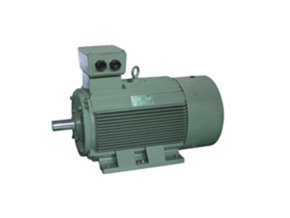
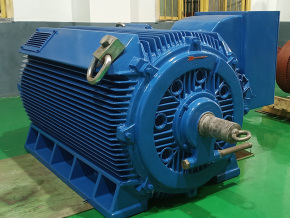
Rail transit motors are essential components in the realm of transportation, playing a crucial role in the operation and effectiveness of rail systems. These specialized electric motors are designed to power trains, trams, and other rail vehicles, providing the necessary propulsion and performance for safe and efficient travel. Understanding the intricacies of rail transit motors is essential for professionals in the transportation sector, as they directly impact operational efficiency, maintenance costs, and overall system reliability.
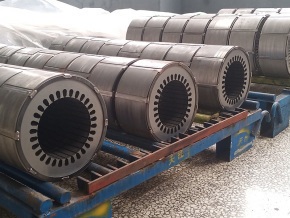
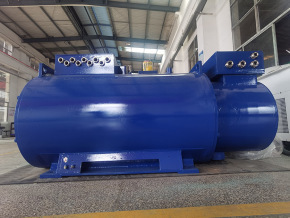
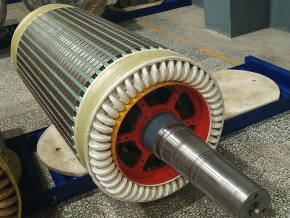
At the heart of a rail transit motor is its design, which is engineered to handle the unique demands of rail operations. Unlike standard electric motors, rail transit motors are built to endure extreme conditions, including varying temperatures, humidity levels, and mechanical stresses. These motors typically feature robust construction, high torque output, and the ability to operate continuously for prolonged periods, making them suitable for the relentless demands of urban and intercity rail networks.
One of the key advantages of rail transit motors is their energy efficiency. As the transportation industry continues to seek sustainable solutions, electric motors have become increasingly favored due to their lower carbon footprint compared to traditional diesel engines. Many rail transit systems are shifting towards electrification, which not only reduces greenhouse gas emissions but also lowers operating costs over time. This transition is supported by advancements in motor technology, which have led to the development of high-efficiency motors that minimize energy loss while maximizing performance.
Additionally, the application of rail transit motors extends beyond just propulsion. They are integral to various systems within rail vehicles, including braking and auxiliary systems. Regenerative braking, for instance, allows kinetic energy generated during braking to be converted back into electrical energy, which can then be reused or fed back into the power grid. This feature enhances overall energy efficiency and reduces the wear on traditional braking components.
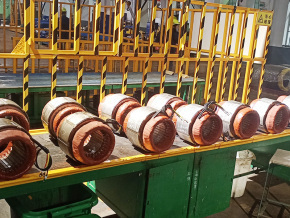
Maintenance is another critical aspect of rail transit motors. Regular inspection and servicing can help identify potential issues before they escalate into significant problems, thereby ensuring the longevity and reliability of the motors. Predictive maintenance technologies, enabled by IoT and data analytics, are becoming increasingly popular in monitoring the health of rail transit motors, allowing operators to schedule maintenance more effectively and reduce downtime.
In conclusion, rail transit motors are a pivotal component in the transportation industry, significantly influencing the performance and sustainability of rail systems. As technological advancements continue to shape the future of transport, professionals in the field must stay informed about the latest developments in rail transit motor technology to enhance operational efficiency and contribute to a greener environment. Understanding these motors' functionality and applications will undoubtedly empower industry professionals to make informed decisions that lead to improved rail transport systems.
At the heart of a rail transit motor is its design, which is engineered to handle the unique demands of rail operations. Unlike standard electric motors, rail transit motors are built to endure extreme conditions, including varying temperatures, humidity levels, and mechanical stresses. These motors typically feature robust construction, high torque output, and the ability to operate continuously for prolonged periods, making them suitable for the relentless demands of urban and intercity rail networks.
One of the key advantages of rail transit motors is their energy efficiency. As the transportation industry continues to seek sustainable solutions, electric motors have become increasingly favored due to their lower carbon footprint compared to traditional diesel engines. Many rail transit systems are shifting towards electrification, which not only reduces greenhouse gas emissions but also lowers operating costs over time. This transition is supported by advancements in motor technology, which have led to the development of high-efficiency motors that minimize energy loss while maximizing performance.
Additionally, the application of rail transit motors extends beyond just propulsion. They are integral to various systems within rail vehicles, including braking and auxiliary systems. Regenerative braking, for instance, allows kinetic energy generated during braking to be converted back into electrical energy, which can then be reused or fed back into the power grid. This feature enhances overall energy efficiency and reduces the wear on traditional braking components.
Maintenance is another critical aspect of rail transit motors. Regular inspection and servicing can help identify potential issues before they escalate into significant problems, thereby ensuring the longevity and reliability of the motors. Predictive maintenance technologies, enabled by IoT and data analytics, are becoming increasingly popular in monitoring the health of rail transit motors, allowing operators to schedule maintenance more effectively and reduce downtime.
In conclusion, rail transit motors are a pivotal component in the transportation industry, significantly influencing the performance and sustainability of rail systems. As technological advancements continue to shape the future of transport, professionals in the field must stay informed about the latest developments in rail transit motor technology to enhance operational efficiency and contribute to a greener environment. Understanding these motors' functionality and applications will undoubtedly empower industry professionals to make informed decisions that lead to improved rail transport systems.
recommend News

Wu Dejun: General Manager
Hu Pengbin: Marketing Director
Production site:
No.28, Huaiying Road, Gaoqiao Town, Changsha City, Hunan Province
Zip Code: 410145
Telephone:0731-86156236
ZhenHua Packing Machinery
Online consultation
Leave a message quickly and our experts will contact you
ZhenHua Packing Machinery
Business License

SAF Coolest v1.3.1.2 设置面板 GAGSD-ZGYF-JESSE-ZEA
无数据提示
Sorry, the current column is being updated, please look forward to it!
You can view other columns or returnHome Page