




Understanding Rail Transit Motors: Key Components and Technologies
2026-04-24

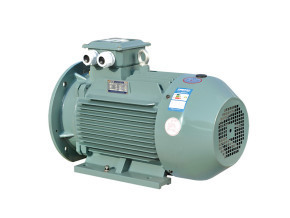
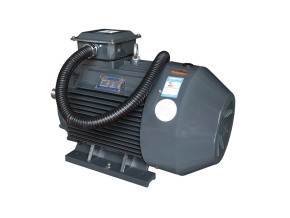
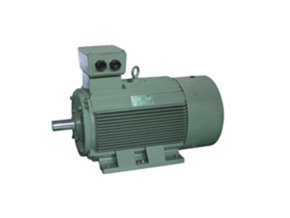
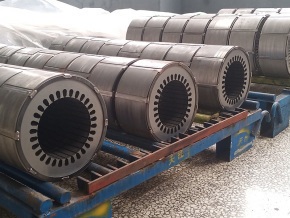
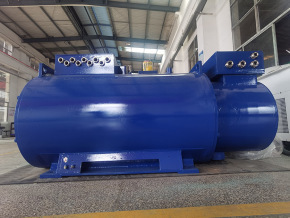
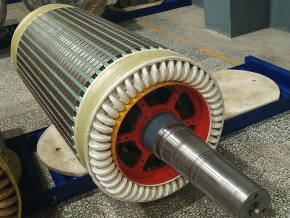
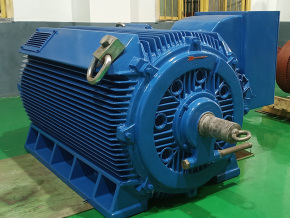
Rail transit motors are a critical component in the transportation sector, particularly in the realm of rail systems. These motors are designed specifically for use in trains, trams, and light rail vehicles, playing a pivotal role in converting electrical energy into mechanical energy to drive the vehicles. By understanding the different types of rail transit motors, we can better appreciate their applications and importance in enhancing the efficiency and reliability of public transportation.
There are primarily two types of rail transit motors: alternating current (AC) motors and direct current (DC) motors. AC motors are often favored for their ability to provide smooth operation at various speeds and their efficiency in power consumption. They are typically used in high-speed trains and urban transit systems due to their robustness and ease of maintenance. In contrast, DC motors are simpler in design and control, making them suitable for older rail systems and applications where precise control over speed and torque is required.
The performance of rail transit motors is significantly influenced by several factors, including the design of the motor, the materials used, and the cooling systems implemented. Modern rail transit motors often incorporate advanced technologies such as permanent magnets, which enhance efficiency by reducing energy losses. Additionally, sophisticated control systems are employed to optimize performance, allowing for better acceleration, braking, and overall energy management.
One of the most critical aspects of rail transit motors is their integration with other components of the transportation system, such as power supply networks and braking systems. Effective communication between these components is essential for ensuring that the train operates safely and efficiently. For instance, regenerative braking systems can convert kinetic energy back into electrical energy during braking, which can then be fed back into the power supply or used for other operational needs, thus improving overall energy efficiency.
In recent years, the push for sustainability has led to innovations in rail transit motor technology. Manufacturers are increasingly focusing on developing electric and hybrid systems that minimize environmental impact while maintaining high performance. As cities around the world seek to reduce their carbon footprints, the evolution of rail transit motors will play an integral role in the transition toward greener transportation solutions.
In conclusion, rail transit motors are a vital component of modern rail systems, contributing to the efficiency, reliability, and sustainability of urban transit solutions. By understanding their types, functionalities, and technological advancements, industry professionals can better appreciate their role in shaping the future of public transportation.
There are primarily two types of rail transit motors: alternating current (AC) motors and direct current (DC) motors. AC motors are often favored for their ability to provide smooth operation at various speeds and their efficiency in power consumption. They are typically used in high-speed trains and urban transit systems due to their robustness and ease of maintenance. In contrast, DC motors are simpler in design and control, making them suitable for older rail systems and applications where precise control over speed and torque is required.
The performance of rail transit motors is significantly influenced by several factors, including the design of the motor, the materials used, and the cooling systems implemented. Modern rail transit motors often incorporate advanced technologies such as permanent magnets, which enhance efficiency by reducing energy losses. Additionally, sophisticated control systems are employed to optimize performance, allowing for better acceleration, braking, and overall energy management.
One of the most critical aspects of rail transit motors is their integration with other components of the transportation system, such as power supply networks and braking systems. Effective communication between these components is essential for ensuring that the train operates safely and efficiently. For instance, regenerative braking systems can convert kinetic energy back into electrical energy during braking, which can then be fed back into the power supply or used for other operational needs, thus improving overall energy efficiency.
In recent years, the push for sustainability has led to innovations in rail transit motor technology. Manufacturers are increasingly focusing on developing electric and hybrid systems that minimize environmental impact while maintaining high performance. As cities around the world seek to reduce their carbon footprints, the evolution of rail transit motors will play an integral role in the transition toward greener transportation solutions.
In conclusion, rail transit motors are a vital component of modern rail systems, contributing to the efficiency, reliability, and sustainability of urban transit solutions. By understanding their types, functionalities, and technological advancements, industry professionals can better appreciate their role in shaping the future of public transportation.
recommend News

Wu Dejun: General Manager
Hu Pengbin: Marketing Director
Production site:
No.28, Huaiying Road, Gaoqiao Town, Changsha City, Hunan Province
Zip Code: 410145
Telephone:0731-86156236
ZhenHua Packing Machinery
Online consultation
Leave a message quickly and our experts will contact you
ZhenHua Packing Machinery
Business License

SAF Coolest v1.3.1.2 设置面板 GAGSD-ZGYF-JESSE-ZEA
无数据提示
Sorry, the current column is being updated, please look forward to it!
You can view other columns or returnHome Page