




Exploring the Mechanics of Subway Motors: A Deep Dive into Efficient Urban Transportation
2026-04-22

Exploring the Mechanics of Subway Motors: A Deep Dive into Efficient Urban Transportation
Table of Contents
- Introduction to Subway Motors
- Importance of Subway Motors in Urban Transit
- Types of Subway Motors
- Key Components of Subway Motors
- The Stator: The Stationary Heart
- The Rotor: The Moving Force
- Control Systems: The Brain Behind the Operation
- Understanding the Mechanics of Subway Motors
- Maintenance of Subway Motors
- Future Trends in Subway Motor Technology
- Frequently Asked Questions
- Conclusion: The Future of Subway Motors in Urban Transportation
Introduction to Subway Motors
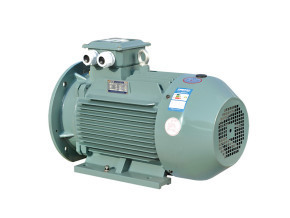
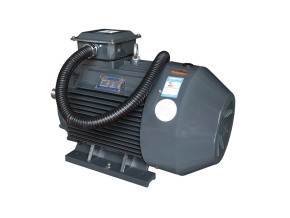
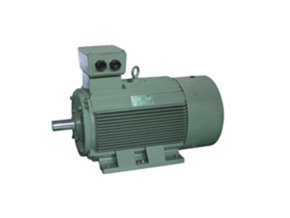
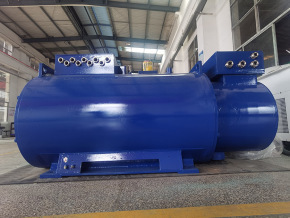
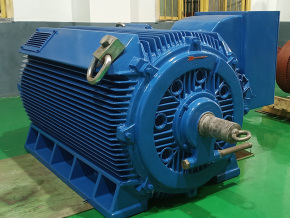
The backbone of any modern subway system lies in its motors. These engines are the unseen heroes that propel trains through urban landscapes, ensuring a smooth and efficient transit experience for millions. **Subway motors** are engineered to endure the rigors of constant use, delivering reliable performance while maintaining energy efficiency. In this article, we will explore the various types of subway motors, their crucial components, and how they operate to facilitate seamless urban transit.
Importance of Subway Motors in Urban Transit
Subway motors play an indispensable role in urban transportation. These electric motors provide the necessary power to move trains, which reduces road congestion, lowers carbon emissions, and enhances the overall efficiency of city travel. The effectiveness of a subway system is directly linked to the performance of its motors, making it essential to understand their mechanics and technology.
Types of Subway Motors
When we discuss subway motors, two primary types come to the forefront: **DC motors** and **AC motors**. Each type has its unique advantages and applications, which we will discuss in detail.
DC Motors: The Traditional Choice
DC motors have been traditionally used in many subway systems due to their simplicity and reliability. They operate on direct current, providing consistent torque at low speeds. This characteristic makes them suitable for applications requiring precise speed control, such as subway trains.
AC Motors: The Modern Revolution
The advent of **AC motors** marked a significant evolution in subway technology. These motors are more efficient, capable of delivering higher speeds and better overall performance. They are designed to operate on alternating current, which allows for a smoother power delivery and reduced energy consumption. Many modern subway systems are transitioning to AC motors due to their superior performance and lower maintenance costs.
Key Components of Subway Motors
Subway motors consist of several critical components that work in harmony to ensure optimal performance. Understanding these components is essential for appreciating how subway motors function.
The Stator: The Stationary Heart
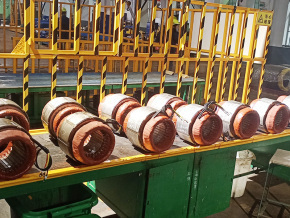
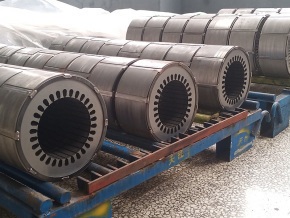
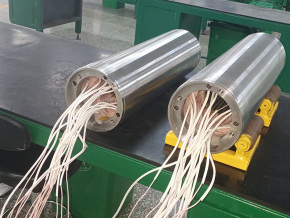
The stator is the stationary part of the motor and houses the windings that create a magnetic field when energized. This magnetic field interacts with the rotor to produce motion. The design and materials used in the stator significantly influence the efficiency and longevity of the motor.
The Rotor: The Moving Force
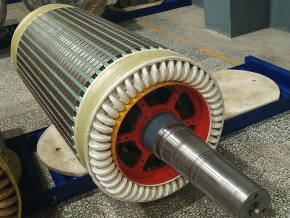
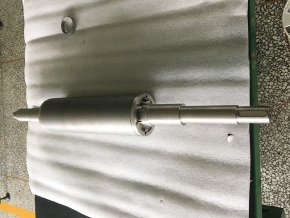
The rotor is the rotating part of the motor, attached to the transmission system that drives the train's wheels. As the electromagnetic field generated by the stator interacts with the rotor, it induces motion. The rotor's design and construction, including the materials used, play a crucial role in the motor's performance and efficiency.
Control Systems: The Brain Behind the Operation
The control systems in subway motors manage the power delivery and coordinate the operation of the motor. Advanced control systems enhance performance by optimizing speed and torque under various operating conditions. These systems are essential for ensuring the safety and reliability of subway operations.
Understanding the Mechanics of Subway Motors
To fully appreciate how subway motors operate, one must delve into the underlying mechanics that drive their performance.
Electromagnetism in Subway Motors
At the core of subway motor operation is the principle of electromagnetism. When electric current flows through the motor's windings, it generates a magnetic field. This field interacts with the rotor, causing it to turn. The efficiency of this process is critical for the overall performance of the subway system.
Torque and Speed Control
Subway motors must provide adequate torque to start movements and maintain speed across varying loads. Advanced technologies allow for precise control of both torque and speed, delivering a seamless experience for passengers. This is particularly important in urban environments where frequent stops and starts occur.
Maintenance of Subway Motors
Regular maintenance of subway motors is vital for ensuring their longevity and reliability. This includes routine inspections, lubrication of moving parts, and monitoring electrical systems. Preventive maintenance practices can mitigate potential failures, ensuring safe and efficient subway operations.
Future Trends in Subway Motor Technology
The landscape of subway motor technology is continually evolving. The integration of **smart technologies** and **renewable energy sources** is paving the way for more efficient and environmentally friendly systems. Innovations in materials and design will also lead to lighter, more efficient motors that can further decrease energy consumption and operational costs.
Frequently Asked Questions
1. What are the main types of subway motors?
Subway motors primarily consist of DC motors and AC motors, each with distinct characteristics and applications within subway systems.
2. How do subway motors contribute to energy efficiency?
Subway motors, especially AC motors, are designed for optimal energy performance, reducing consumption through effective power delivery and regenerative braking systems.
3. What role do control systems play in subway motors?
Control systems manage the power supplied to the motor, optimizing performance and ensuring smooth operations across varying conditions.
4. How often should subway motors be maintained?
Regular maintenance is crucial, and inspections are typically carried out on a scheduled basis to ensure reliability and performance.
5. What future technologies are being developed for subway motors?
Future trends include the incorporation of smart technologies for better efficiency, as well as advancements in materials that enhance performance and reduce weight.
Conclusion: The Future of Subway Motors in Urban Transportation
Subway motors are pivotal in the realm of urban transportation, playing a vital role in efficiency, reliability, and sustainability. As technology continues to advance, we can expect significant improvements in subway motor design and functionality. Understanding the mechanics behind these motors not only enhances our appreciation of urban transit systems but also highlights the importance of continued innovation in this field. Embracing these advancements will ultimately lead to a more efficient and sustainable future for urban transportation.
recommend News

Wu Dejun: General Manager
Hu Pengbin: Marketing Director
Production site:
No.28, Huaiying Road, Gaoqiao Town, Changsha City, Hunan Province
Zip Code: 410145
Telephone:0731-86156236
ZhenHua Packing Machinery
Online consultation
Leave a message quickly and our experts will contact you
ZhenHua Packing Machinery
Business License

SAF Coolest v1.3.1.2 设置面板 GAGSD-ZGYF-JESSE-ZEA
无数据提示
Sorry, the current column is being updated, please look forward to it!
You can view other columns or returnHome Page